The Department of Education (DepEd) has strengthened its school discipline policy by classifying bomb threats, including bomb jokes, and the carrying or concealment of deadly weapons in schools as among the gravest offenses that could lead to a learner’s non-readmission or outright exclusion.
New guidelines under DepEd Order 006
The move forms part of the agency’s broader School Safety Campaign, which seeks to reinforce security measures in schools following a series of violent incidents and class disruptions reported in different parts of the country in recent months. Education Secretary Sonny Angara said ensuring the safety of learners remains a priority of the Marcos administration.
“In line with President Bongbong Marcos’ goal of ensuring the welfare and protection of schools, we will not allow any threat to the safety of our students. It is our collective responsibility to ensure that every school is safe, peaceful, and free from fear or violence,” Angara said in Tagalog.

The policy is contained in DepEd Order 006, s. 2026, issued on March 24, which institutionalizes the Guidelines on Ensuring a Safe and Motivating Learning Environment (ESMLE). The order consolidates existing learner protection and discipline policies into a single framework for implementation across all public schools.
Three-tier disciplinary system
Under the revised guidelines, making bomb threats or bomb jokes, as well as bringing firearms, ammunition, explosives, bladed weapons, and other deadly weapons into schools or school-sanctioned activities, are now classified as third-level offenses, the highest category of disciplinary violations. Learners found liable for a third-level offense may face non-readmission for the following school year on their first offense and exclusion from the school for a second offense. Schools are likewise required to immediately refer such cases to law enforcement authorities and social welfare agencies for appropriate action and intervention.
DepEd said the policy adopts a graduated disciplinary system based on the severity of the offense. First-level offenses include relatively minor violations such as uttering profanities, simple vandalism, disruptive behavior, and spreading false information that causes confusion or commotion within the school. Sanctions range from written reprimands and conferences with parents to suspension.
Second-level offenses cover more serious or repeated misconduct, including stalking, slight physical injuries, theft, intimidation, and harassment. Penalties escalate from suspension to non-readmission and eventual exclusion for repeated violations.
Third-level offenses and consequences
Third-level offenses cover the most serious violations, including hazing, homicide, murder, sexual assault, serious physical injuries, joining street gangs, bringing illegal drugs or liquor to school, acts of lasciviousness, cheating during examinations, sharing sexually explicit or degrading videos involving students or school personnel, as well as bomb threats and possession of deadly weapons.
DepEd clarified that non-readmission allows a learner to finish the current school year but bars enrollment in the same school for the succeeding academic year. Exclusion, on the other hand, results in the learner’s immediate removal from the class list, although appropriate educational interventions may still be provided to ensure continuity of education.
Beyond disciplinary measures, the guidelines also require schools to conduct risk assessments, establish standardized and confidential reporting procedures for incidents, and immediately provide mental health and psychosocial support to affected learners.
Context: recent security incidents
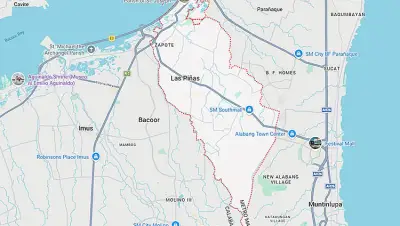
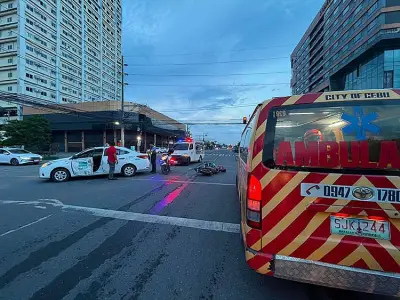
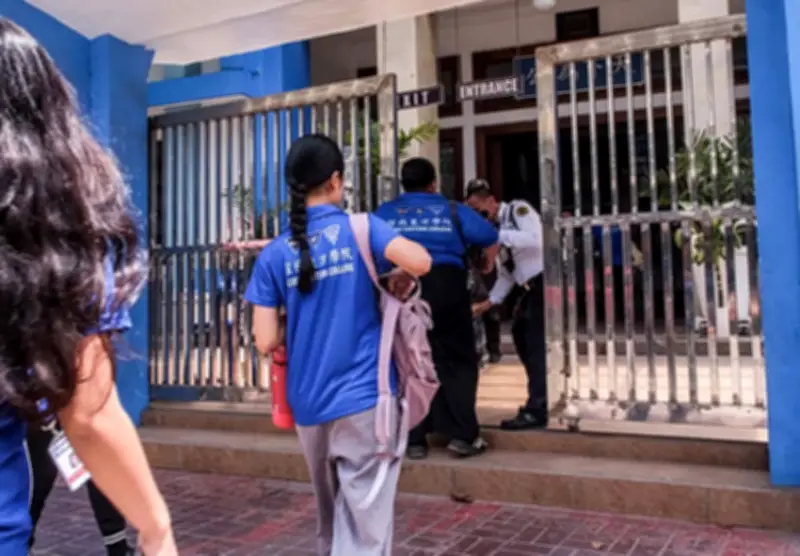
The stricter rules come amid heightened concerns over school safety following several high-profile incidents that disrupted classes nationwide. In recent weeks, authorities have investigated separate incidents of violence in schools in Tacloban City and Cavite, raising alarm among parents, educators, and local officials over campus security. Those incidents were followed by a string of shooting threats and other security scares in schools across several regions, prompting class suspensions, emergency evacuations, police inspections, and heightened security measures, even after many of the threats were later determined to be hoaxes.

The repeated disruptions have underscored the need for stronger preventive measures and clearer disciplinary policies, according to DepEd, as schools work to maintain safe and orderly learning environments throughout the school year. Through the ESMLE guidelines, the department said it aims to foster a culture of accountability while ensuring that schools remain places where learners can study free from fear, violence, and intimidation.