A lay Catholic organization has expressed concern over recent public statements made by church leaders regarding the leadership change in the Philippine Senate, warning that emotionally charged rhetoric could deepen political divisions and undermine calls for unity within the Church and society.
Barug-Layko's Statement
In a statement released on May 16, 2026, the Bayanihang Layko for Accountability, Reform, and Upright Governance (Barug-Layko), an independent and nonpartisan movement of lay faithful, criticized separate remarks issued by Archbishop Socrates Villegas and priest Robert Reyes over the recent Senate leadership transition. The group said it was deeply disappointed by what it described as politically charged and divisive language, warning that such statements could alienate Catholics with differing political views.
Specific Concerns
Barug-Layko specifically questioned descriptions reportedly used by the clergy in discussing the Senate transition, including terms such as devious, obscene, and brazen exercise of power, as well as references calling members of the new Senate majority Hudas or traitors. According to the organization, the rhetoric risks portraying people with opposing political views as morally corrupt or inherently evil. We find such rhetoric hurtful, divisive, and unbecoming of the pastoral restraint expected from shepherds of the Church, the group said.

Call for Unity
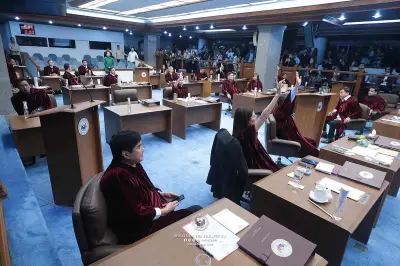
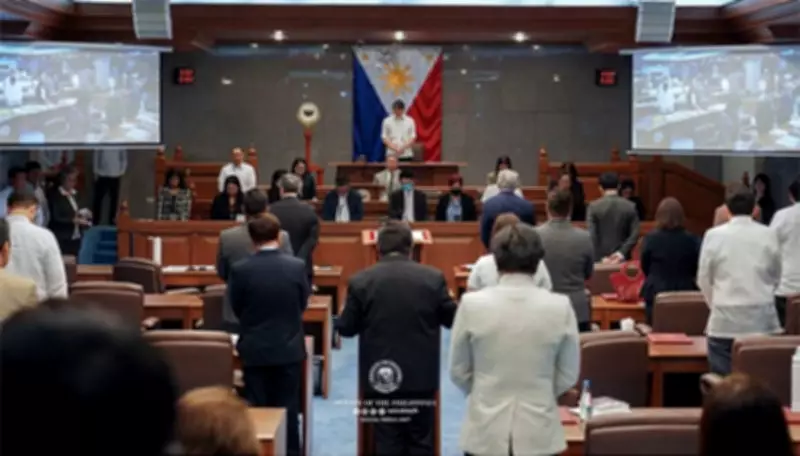
The organization warned that emotionally charged statements could worsen polarization at a time of heightened political and social tensions in the country. It added that the Church should remain a space for reconciliation, dialogue, and discernment rather than inflammatory political discourse. Barug-Layko also raised concern over statements describing the Senate leadership shift as a shameless exercise of political power, saying such remarks may imply that only one political alignment is morally acceptable while other lawful arrangements are illegitimate. The group said that leadership changes in the Senate are part of constitutional processes carried out by elected officials in a coequal branch of government.
Selective Outrage Alleged
In its statement, Barug-Layko also questioned what it described as selective outrage from some members of the clergy, contrasting the criticism directed at the Senate transition with what it claimed was the lack of equally strong statements on controversies involving the administration of President Ferdinand Marcos Jr. The organization cited issues such as alleged budget insertions, the reallocation of public funds intended for healthcare, education, and social welfare, and allegations tied to questionable flood-control and infrastructure projects. It also referenced allegations surrounding the President's supposed cocaine use and his refusal to undergo a hair follicle drug test. The faithful deserve moral consistency, not selective outrage, the group said.
Continued Support for the Church
Despite its criticism, Barug-Layko said it continues to support and defend the Catholic Church and called on members of the clergy to exercise prudence, fairness, humility, and charity in their public statements. The organization urged church leaders to ensure their words promote healing instead of hostility and reconciliation instead of division. The Church must become more visibly an instrument of understanding rather than condemnation, of reconciliation rather than factionalism, and of charity rather than political arrogance clothed in ecclesiastical authority, the statement read. Barug-Layko ended its statement by offering prayers for bishops, priests, religious leaders, and the faithful, including Archbishop Villegas and Fr. Reyes, expressing hope that all would be guided by humility, compassion, and discernment in addressing political and social issues.