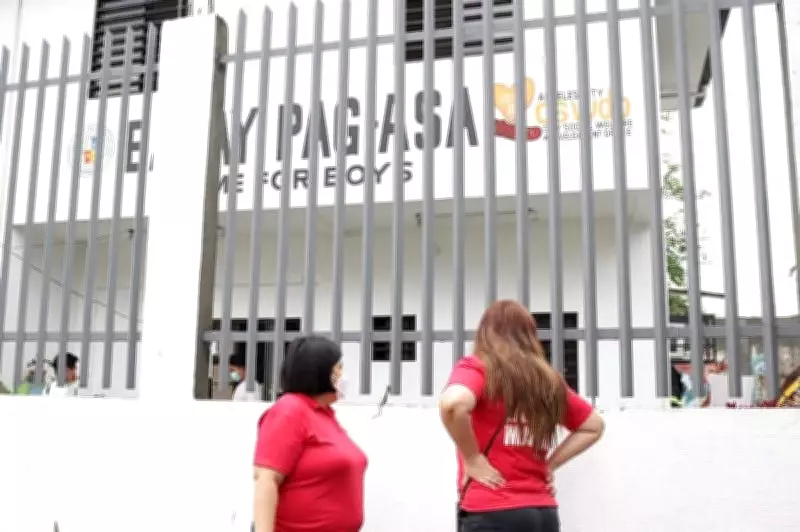
The Regional Juvenile Justice and Welfare Committee 11 (RJJWC 11) has raised concerns over the insufficient number of operational Bahay Pag-asa facilities in the Davao Region, despite a legal requirement for provinces and highly urbanized cities to establish centers for children in conflict with the law (CICLs).
Limited Facilities Despite Legal Mandate
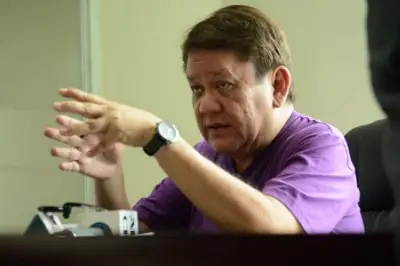
During the Kapehan sa Dabaw press conference held on Monday, May 18, 2026, at The Annex of SM City Davao, RJJWC 11 team leader and secretariat Jerome Gumbao highlighted that the lack of Bahay Pag-asa facilities remains a major challenge in implementing the Juvenile Justice and Welfare Act of 2006.
“We only have two provinces with Bahay Pag-asa, even if the law requires it. This remains a concern when it comes to handling CICLs,” Gumbao said.

Republic Act No. 10630, which amended Republic Act No. 9344 in 2013, mandates every province and highly urbanized city to establish a Bahay Pag-asa facility. Under Philippine law, these facilities serve as 24-hour child-caring institutions for CICLs undergoing intervention, diversion, rehabilitation, or awaiting court disposition. They provide temporary shelter and intervention programs for minors, preventing their placement in regular detention facilities.
Slow Progress by Local Governments
Despite the mandate, Gumbao acknowledged that some local government units are still in the planning and preparation stages for constructing their own facilities. “We have been pushing this for a long time, but some local government units are still preparing and planning for construction,” he said.
Region 11 currently has only five operational Bahay Pag-asa facilities, located in Mati City, Davao de Oro, Davao del Norte, Panabo City, and Davao City.
Importance of Bahay Pag-asa
Gumbao underscored the importance of these facilities in protecting minors from exposure to hardened criminal environments while authorities process their cases. He emphasized that children should not be exposed to regular detention environments whenever incidents involving CICLs occur.
The Juvenile Justice and Welfare Act promotes restorative justice and diversion programs for minors, emphasizing rehabilitation and reintegration instead of punitive detention for children who commit offenses.