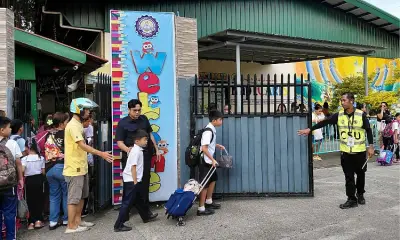
The local government of Dumanjug, Cebu has implemented a ban on bringing and using cellphones inside schools. The policy, while well-intentioned, requires careful consideration and balanced implementation.
Technology as a Distraction
It is widely acknowledged that technology poses a significant challenge to student learning. Excessive cellphone use often leads to loss of focus in class, reduced interest in reading, and diminished personal interactions with family, friends, and classmates. On one hand, the policy could bring positive changes in student behavior. It may help restore attention to lessons, strengthen interaction between classmates and teachers, and revive a culture of reading and active participation in class.
Communication and Educational Needs
However, the other side of the issue cannot be ignored. Cellphones are no longer just entertainment devices; they have become essential for communication, especially in emergencies. Many parents rely on them to quickly contact their children in case of sudden events. Furthermore, many students use cellphones as learning tools through digital books, online research, and educational applications.

Discipline and Fairness
Discipline is only effective when it is reasonable, fair, and provides students with the opportunity to learn from their mistakes. The concern of the local government is understandable, especially after the tragic incident in Tacloban City. However, addressing security and discipline issues among youth should not be based solely on a single tragedy.
Balancing Rules and Freedom
Ultimately, the goal of education is not just to enforce rules but to shape responsible thinking in students. Teaching proper technology use is more effective than outright banning it. Discipline and freedom are not contradictory when there is proper guidance, strong collaboration between school and parents, and policies that balance the welfare and rights of every child.