In a significant push to reach the country's most marginalized sectors, a major government-led outreach initiative has successfully delivered essential services to thousands of indigenous peoples in a remote town of Davao Occidental.
Multi-Agency Effort Brings Services to Remote Communities
The Regional Inter-Agency Committee on Indigenous Peoples’ Health (RIAC-IPH) in Davao recently concluded a four-day Community Outreach and Immersion Activities (COIA) program. This annual event is specifically designed to bridge the service gap for underserved and geographically isolated indigenous communities. The latest caravan was held in Barangay South Lamidan in the municipality of Don Marcelino, benefiting residents from 16 barangays.
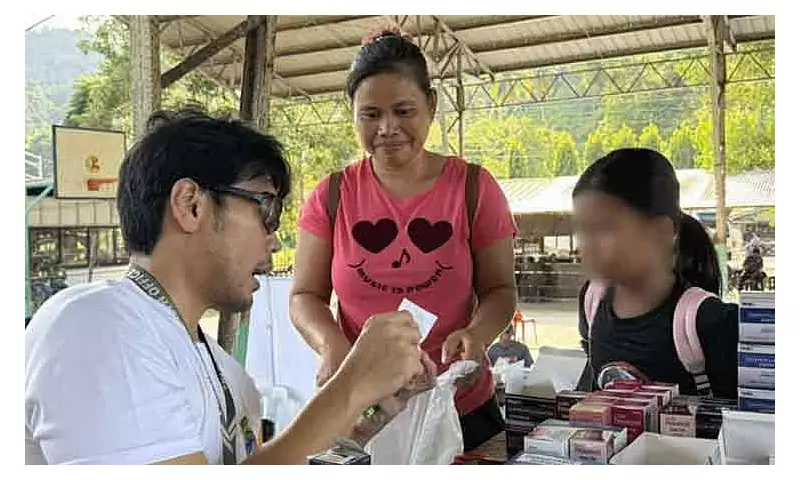
A total of 2,548 individuals from various indigenous cultural communities received a wide array of healthcare and social services. The Department of Health (DOH)-Davao, which leads the RIAC-IPH, collaborated with a network of key agencies and stakeholders to make the event possible.

Comprehensive Medical and Social Support Provided
The services offered during the caravan were extensive and addressed critical needs. The medical component was robust, featuring teams from the DOH-Davao, Southern Philippines Medical Center (SPMC), Davao Regional Medical Center (DRMC), and the National Commission on Indigenous Peoples (NCIP)-Davao.
Medical professionals, including doctors, dentists, nurses, and allied health workers, provided the following:
- Minor surgical procedures under the "Oplan Alis-Bukol" program.
- Consultations for pediatrics, dermatology, ophthalmology, dental health, and obstetrics-gynecology.
- Random blood sugar testing and other essential health interventions.
- Assessments for persons with disability (PWDs) for customized mobility aids.
One grateful resident shared, "Dako kaayo ko og pasalamata kay natanggal na akong bukol sa tiil" (I’m so grateful because the lump on my foot was removed), highlighting the immediate impact of the surgical services.
Logistical and Informational Support from Partners
Beyond healthcare, the caravan served as a one-stop-shop for government services. The 73rd Infantry Battalion of the Philippine Army (73IB) played a crucial role, providing logistical support for transportation and ensuring security and crowd management. Army personnel also offered free haircut services and conducted information campaigns on Army recruitment and West Philippine Sea advocacy.
Col. Julius Taniza, commander of the 73IB, expressed his appreciation: "Nagpapasalamat ako sa ating partner agencies at natupad na ang pangarap nating dalhin ang serbisyo rito" (I’m thanking our partner agencies because we were able to deliver the needed services here).
Other agencies that participated and shared their programs included PhilHealth, the Philippine Statistics Authority (PSA), the Philippine National Police (PNP), Provincial and Municipal Health Offices, and the Department of Social Welfare and Development (DSWD). This collaboration ensured that beneficiaries could access identity documentation, health insurance registration, police community relations, and social welfare support all in one location.
The success of the caravan in Don Marcelino underscores the government's continuing effort to ensure that essential services reach the farthest and most vulnerable populations, fostering inclusivity and addressing long-standing gaps in healthcare and social protection for indigenous peoples in the Davao Region.