Residents in Cebu were thrown into a state of alarm this week, engaging in panic buying and stockpiling power banks, generators, and solar lights. This frenzy was triggered by widespread false information circulating online, which erroneously claimed that a rotational brownout would last up to six months. The misleading posts, which spread rapidly across social media platforms, prompted major utility companies to issue urgent advisories to clarify the situation and calm public fears.
Utility Companies Reassure Consumers
In separate statements, the Visayan Electric Company (Veco) and Mactan Electric Company (Meco) moved quickly to address the misinformation. They assured consumers that the electricity supply remains robust and stable across their respective franchise areas. Veco, the primary distributor for key locations in Metro Cebu, emphasized that there is no basis for the rumors and urged the public to disregard unverified online posts. Similarly, Meco confirmed that power conditions in Lapu-Lapu City and Cordova City are normal, with no reason for concern.
AI-Generated Content Fuels Misinformation
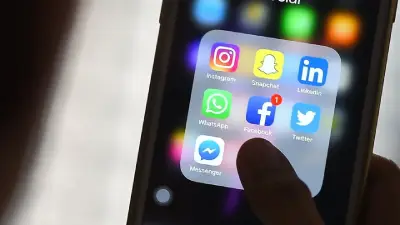
The false reports were largely propagated by content created using Artificial Intelligence (AI), which mimicked legitimate news sources. This type of AI-generated misinformation has become a common source of deception on social media platforms like Facebook and TikTok. One particular Facebook post garnered over 178,000 views, 1,600 reactions, 112 comments, and 381 shares, illustrating the rapid spread and impact of such fake news.

Impact on Local Residents
The dissemination of this false information led to significant panic buying among Cebu residents. Individuals rushed to purchase emergency power supplies, with some making substantial financial investments. For instance, a resident from Barangay Bankal in Lapu-Lapu City revealed to SunStar Cebu that their family spent P10,000 on solar lights and gas in response to the erroneous reports. In another case, a commenter on an advisory disclosed that they had bought seven generators and eight solar panels as a precautionary measure.
The fear even extended to everyday household activities, as one resident's mother built a makeshift stove out of concern that her rice cooker would become unusable during the supposed brownout. These actions highlight the tangible consequences of misinformation on community behavior and economic decisions.
Call for Reliance on Official Channels
In light of these events, utility companies have issued a strong appeal to the public. They are urging residents to rely solely on official channels for accurate updates and to avoid sharing unverified information that could incite panic or anxiety. This incident underscores the growing challenge of combating AI-driven fake news and its potential to disrupt social stability.
As digital platforms continue to evolve, the need for vigilance and critical thinking when consuming online content becomes increasingly vital. The Cebu case serves as a stark reminder of how quickly misinformation can escalate, affecting both individual livelihoods and broader public trust.