Davao City Councilor Champions AI Integration for Modern Traffic Solutions
In a bold move to address escalating traffic woes, Davao City Councilor Bonz Andre Militar has put forward a groundbreaking proposal to leverage artificial intelligence (AI) for the modernization of the city's traffic management infrastructure. The initiative comes as congestion continues to worsen, prompting calls for innovative technological interventions.
Outdated Systems and the Push for Digital Transformation
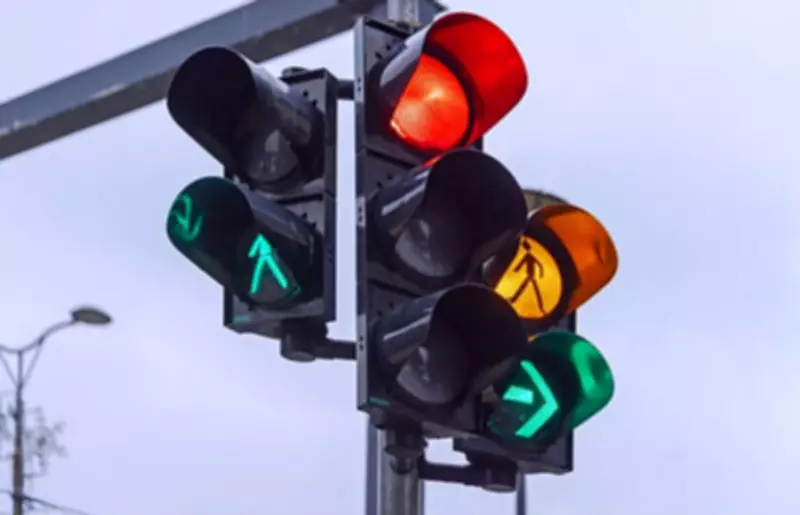
Militar, who chairs the City Council's Committee on Information Technology, highlighted the inefficiencies of the current traffic light system, which relies on antiquated fixed timers. He emphasized that these outdated mechanisms contribute to significant time wastage, increased fuel consumption, and growing public frustration.
"We cannot solve 2026's traffic problems with 1990s technology. Digitalization must be felt on the streets, not just on a computer screen," Militar asserted during his privilege speech delivered on Tuesday, February 24, at the Sanguniang Panlungsod.

How the AI-Driven System Would Operate
The proposed AI-powered traffic light system is designed to analyze real-time traffic data dynamically. Utilizing cameras installed at intersections and along major thoroughfares, the system would monitor traffic volume and adjust signal timing accordingly. This adaptive approach aims to optimize green-light durations and minimize the stop-and-go patterns that exacerbate congestion.
"The system will perform real-time analysis of every lane. It will generate the proper time to change lights based on actual volume, ensuring that no green lights are wasted on an empty road," Militar explained, underscoring the efficiency gains expected from the technology.
Additional Features and Broader Benefits
Beyond basic traffic flow optimization, the AI system would incorporate several advanced capabilities:
- Detection of accidents or stalled vehicles to facilitate quicker response times.
- Implementation of countdown timers to enhance driver awareness.
- Priority signaling for emergency vehicles, including ambulances and disaster response teams, to ensure unimpeded passage.
- Improved reliability for the Davao City Bus System, promoting public transportation usage.
Militar framed the proposal as a practical component of the city's overarching digitalization agenda and its aspiration to evolve into a smart city. He projected that the initiative would yield multiple benefits, including enhanced street safety, reduced commuting times, and bolstered economic efficiency.
Restoring Lost Time and Fostering Connectivity
The councilor further elaborated on the human-centric advantages of the AI traffic management system. He pointed out that it transcends mere operational enhancements by addressing the cumulative time lost by workers and students trapped in traffic.
"Through the AI traffic management system, we can give back hours that workers and students have lost stuck on the roads," he stated. "This is the first step toward a smarter, faster, and better-connected Davao."
Militar has formally moved for his privilege speech to be considered on first reading, setting the stage for potential legislative action on this forward-thinking proposal.