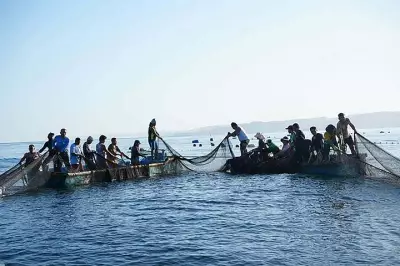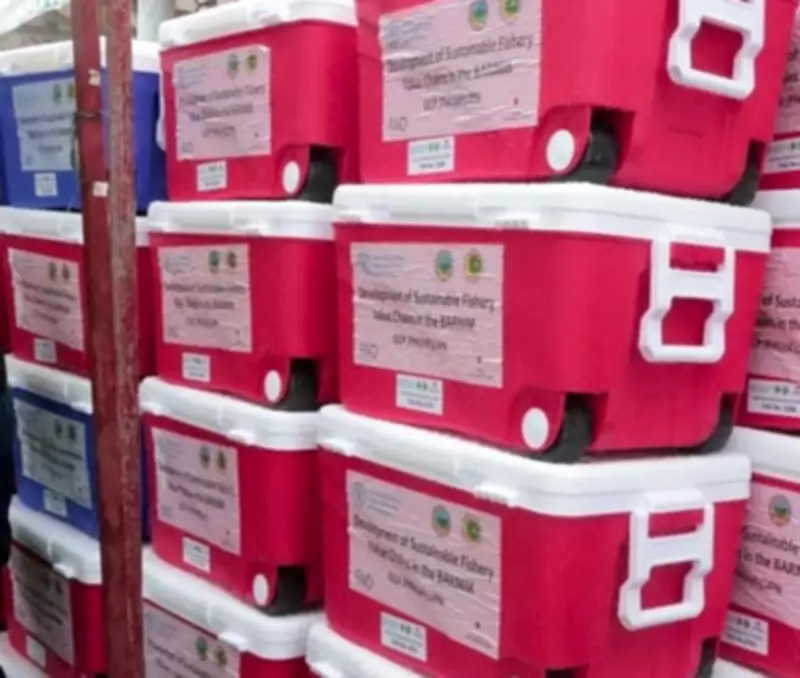
The Ministry of Agriculture, Fisheries, and Agrarian Reform in the Bangsamoro Autonomous Region in Muslim Mindanao (MAFAR-BARMM) has taken a significant step to bolster the local fisheries industry by distributing a total of 3,000 icebox coolers to fisherfolk throughout the region. This initiative is designed to enhance the sector's productivity and substantially reduce post-harvest losses, which have long plagued fishing communities.
Distribution Details and Beneficiary Areas
MAFAR Minister Abunawas Maslamama announced on Tuesday, March 31, 2026, that the distribution targeted fisherfolk from multiple key areas, including Cotabato City, Maguindanao del Norte, Maguindanao del Sur, Lanao del Sur, Basilan, and Tawi-Tawi. Each of these regions received 375 cooler boxes, with the distribution carried out on Thursday, March 26, 2026.
Maslamama emphasized that these icebox coolers are crucial for preserving the freshness and quality of fish from the moment they are caught at sea until they reach the market. He urged all beneficiaries to properly maintain the equipment, stating, "What we have received is valuable, and we must take good care of it. Along with this gift comes responsibility."

Support and Funding from International Partners
The distribution effort is backed by the Food and Agriculture Organization (FAO) and funded by the Government of Japan. Maslamama highlighted that this collaboration aims to transform local fisheries and aquaculture systems into more productive and sustainable value chains, directly benefiting fishing communities by improving their livelihoods and economic stability.
FAO's Role and Impact Assessment
FAO Assistant Representative for Administration Sarah Lacson underscored the importance of this initiative in enhancing fish handling techniques and preserving product quality. She noted that the distribution marks a critical step in strengthening the fisheries sector in BARMM.
"These cooler boxes may seem small, but they improve handling and keep fish products fresh longer, directly supporting our fisherfolk," Lacson said in a statement. This move is expected to lead to better market prices and reduced spoilage, contributing to food security and economic growth in the region.
Overall, this project reflects a concerted effort to address post-harvest challenges through practical solutions, with potential long-term benefits for the sustainability and resilience of BARMM's fisheries sector.