Beekeeping continues to gain momentum in the Davao Region as agricultural leaders highlight the critical role of bees in food production and ecosystem sustainability ahead of the global observance of World Bee Day on May 20.
Beekeeping History in Davao
Epifanio Loyola Jr., chairman of the Department of Agriculture Regional Agri-Fishery Council 11 and president of the Beekeepers Network Philippines Foundation Inc., said beekeeping has long been practiced in Davao, tracing his own involvement in the industry to the 1980s. He added that World Bee Day has been observed globally for nearly a decade, while the Philippines has participated in the celebration for the past three years.
Bees as Key Pollinators
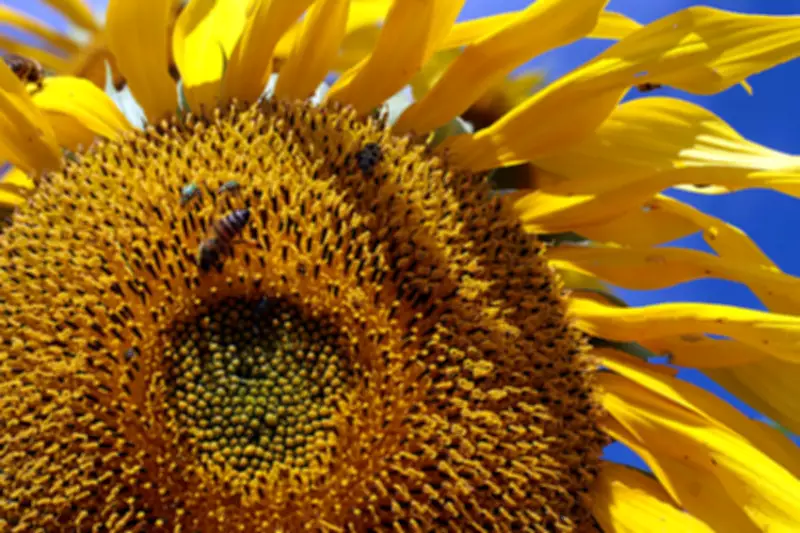
Loyola said that bees remain among the most important pollinators in agriculture, helping sustain crop production and food security. “Even Asean countries are promoting beekeeping in agriculture because bees play a major role in pollination. We have many pollinators, but bees contribute significantly to pollinating crops,” he said. He noted that the number of beekeepers in the region continues to grow, with many helping protect local bee species, including stingless bees known for producing honey.

Rediscovery of Apis florea
Loyola also cited the rediscovery of the Apis florea, one of the world’s smallest bee species, in parts of Davao in 2023 after it was last documented in 1937. The species was found in areas including the Island Garden City of Samal, where it is believed to contribute to the sweetness of local mangoes. However, Loyola warned that populations of larger honey bees, locally known as “putyukan,” continue to decline due to heavy pesticide use. He said the decline could affect crop yields, particularly fruits and vegetables that rely heavily on pollination.
Protecting Natural Pollinators
Loyola noted that while some countries rent bees to support agricultural production, the Philippines still benefits from abundant natural pollinators that must be protected. The Department of Agriculture’s Bureau of Agricultural Research, in partnership with the University of the Philippines Los Baños, will begin a study on June 6 to measure the contribution of bees to mango production in Davao and identify ways to protect pollinator populations. Further studies will also focus on the “biroi,” a stingless bee species found in Sta. Cruz, Davao del Sur, known for producing honey.