Cebu Drivers Face Subsidy Delays as Fuel Prices Soar 50% Amid Middle East Tensions
Thousands of drivers in Cebu are still waiting for critical government fuel subsidies after a dramatic 50 percent increase in fuel prices, triggered by escalating tensions in the Middle East in early March. The aid program, designed to cushion transport workers from rising costs, has been delayed in Central Visayas due to persistent paperwork problems and a significant digital access gap.
Government Launches P2.5 Billion Fuel Subsidy Program
The Philippine government initiated a substantial P2.5 billion fuel subsidy program on March 24, 2026, following President Ferdinand R. Marcos Jr.'s declaration of a state of energy emergency. This move is crucial for a nation that imports approximately 98 percent of its oil, as the conflict in the Middle East has sharply driven up local pump prices, creating severe financial strain on the transport sector.
Financial Strain on Drivers and Verification Challenges
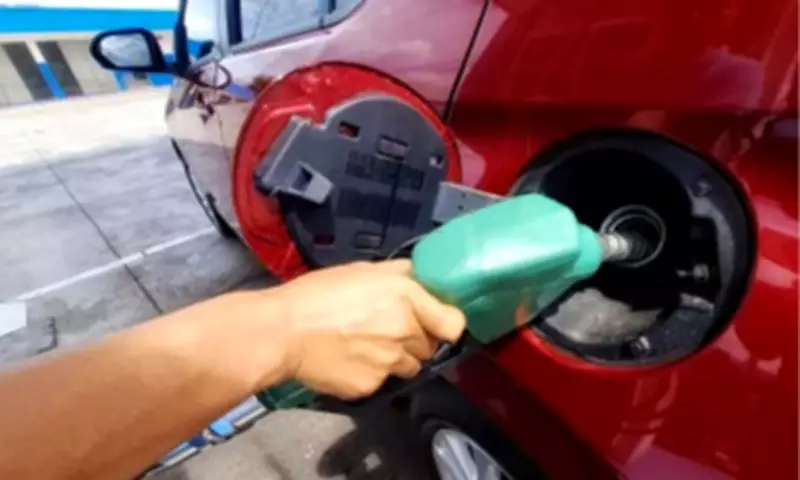
In early March, diesel prices skyrocketed by as much as P24 per liter within just one week, placing immense pressure on drivers. For many jeepney operators, fuel expenses now consume a staggering 70 percent of their daily earnings. The subsidies, which range from P1,500 for jeepney drivers to P10,000 for bus operators, aim to prevent fare hikes and ensure drivers can support their families adequately.

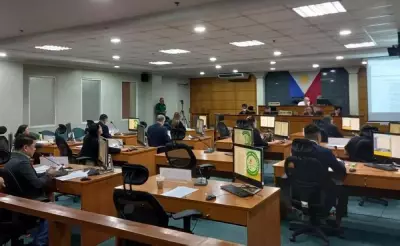
However, in Central Visayas, where 30,744 qualified beneficiaries exist—including 26,833 in Cebu—the funds remain on hold. LTFRB-7 Director Abosamen Matuan explained that while 87 percent of beneficiary lists are prepared, some operators are struggling to submit fully verified names. This verification process is essential to guarantee that funds reach only active, registered workers, avoiding ineligible or duplicate recipients. The regional rollout will commence only after these lists are finalized, with completion expected by late March.
Digital Divide Creates Access Barriers
A major obstacle for many drivers is the distribution method, which primarily relies on e-wallets like GCash. This approach creates a significant barrier for older drivers and others unfamiliar with mobile technology, who may lack smartphones, eligible mobile numbers, or verified accounts. The success of the rollout in Cebu may hinge on whether operators and fellow drivers can assist those without banking or e-wallet access in setting up the necessary accounts.
Broader Impact and Long-Term Solutions
While some sectors in other regions have already begun receiving subsidies, others continue to wait. Nationwide, over 723,000 tricycle operators and 157,972 delivery drivers are scheduled to receive P5,000 each after the Holy Week break. Beyond these short-term fixes, the government is actively seeking new oil sources and maintaining a 45-day fuel stockpile to shield the country from future price shocks.
Officials emphasize that the program is intended to help the transport sector absorb higher fuel costs and prevent broader increases in the prices of food and other essential goods, underscoring its critical role in stabilizing the economy during this energy crisis.