The Philippine Economic Zone Authority (Peza) approved five new projects in Central Visayas in April 2026, contributing to a record surge in investment approvals nationwide. Peza announced that its board greenlit 26 new projects worth P63.9 billion on April 23, 2026, marking a 1,296.65 percent increase from the P4.58 billion approved in the same month last year.
Central Visayas as Investment Hub
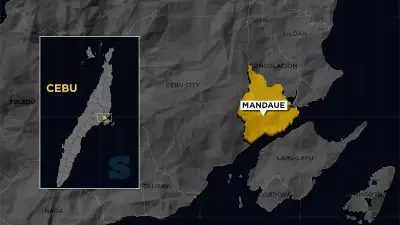
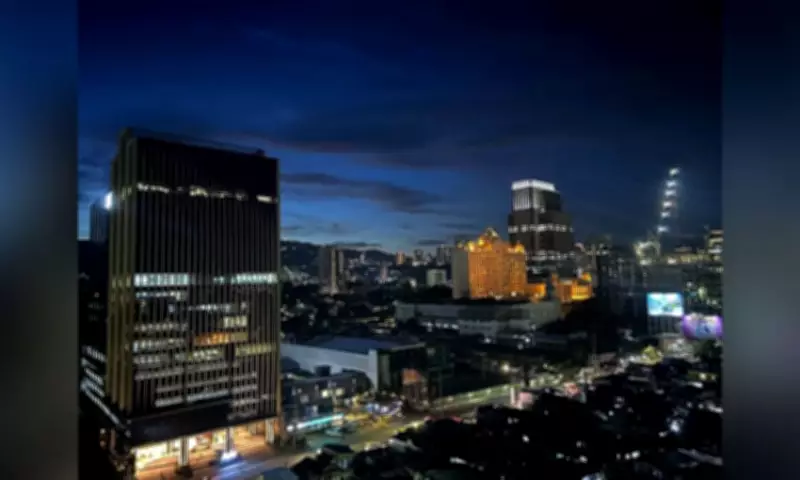
Central Visayas emerged as the second-largest investment hub for the month with five approved projects, trailing only Calabarzon's 15 projects. The Visayas also accounted for one of the agency's major expansion ventures, particularly a tourism development project that will expand operations in Cebu.
Investor Confidence Amid Global Uncertainty
Peza Director General Tereso O. Panga attributed the sharp rise in approvals to sustained investor confidence in the Philippines despite global economic uncertainty and geopolitical tensions. "The rise in the number of approved investments emphasizes Peza's pivotal role in catalyzing investment inflow and sustaining the country's economic momentum despite the current global volatility," Panga said.

Among the approved projects were five "big-ticket" investments worth a combined P60 billion, including two electronics manufacturing firms, a tourism development project with expansion plans in Baguio, Clark, and Cebu, a facilities enterprise in Iloilo, and an ecozone development venture in Tarlac.
Economic Impact: Exports and Jobs
The newly approved projects are expected to generate $1.7 billion in exports, 385.44 percent higher than last year, and create 7,621 direct jobs nationwide.
For the first four months of 2026, Peza approvals reached P109.43 billion, up 72.27 percent from P63.52 billion in the same period last year. The agency also approved 104 new and expansion projects, 20.93 percent higher than the 86 projects recorded a year earlier.
Sectoral Breakdown and Regional Activity
Manufacturing led all sectors with 42 projects, followed by ecozone development, IT-BPM, facilities, logistics, tourism, domestic enterprises, and utilities. While most investments remained concentrated in Luzon, Peza noted "steady activity" in the Visayas with 15 projects approved from January to April, alongside emerging investment activity in Mindanao.
Panga said the Philippines is positioning itself as a stable manufacturing and innovation hub amid global supply chain shifts and "friend-shoring" strategies adopted by multinational firms. He added that ongoing tensions in the Middle East, including the US-Iran conflict, could open opportunities for stronger inter-Asean trade cooperation and new regional supply chains in sectors such as energy, renewables, and agriculture.