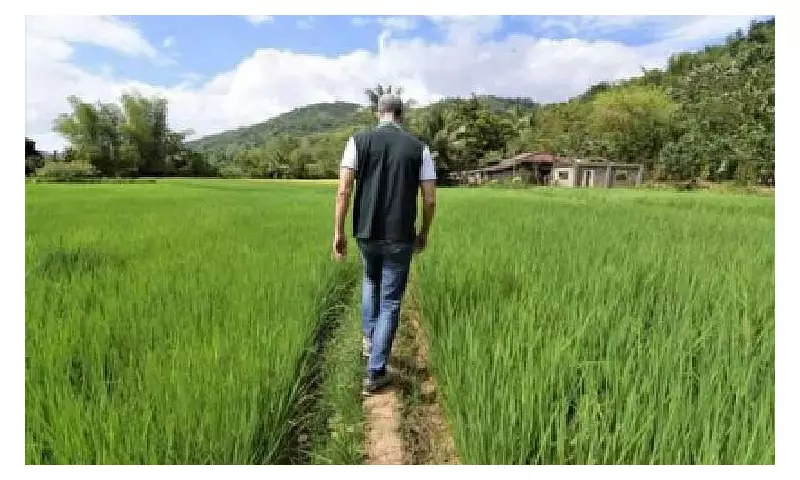
DA Considers Strategic Rice Importation to Balance Market Supply and Farmer Protection
The Department of Agriculture (DA) has announced it is evaluating an initial importation of 300,000 metric tons (MT) of rice in February, implementing calibrated measures to stabilize both supply and retail prices across the Philippines. This strategic move follows extensive consultations with industry stakeholders who have pledged continued support for local agricultural producers.
Securing Commitments for Local Farmer Protection
In a Thursday news release, Agriculture Secretary Francisco Tiu Laurel Jr. confirmed that rice millers and importers have committed to maintaining minimum palay (unhusked rice) buying prices during the approaching harvest season. This agreement ensures that farmers receive fair compensation despite market adjustments.
Traders have specifically assured the continued purchase of palay at no less than PHP17 per kilo for wet palay and PHP21 per kilo for dry palay, with variations based on quality standards. These price floors are designed to protect farmgate revenues as the government fine-tunes import volumes to address supply constraints without undermining local agricultural economics.

"Farmer prices are non-negotiable. Whatever import volume we agree on, farmers must be protected," emphasized Secretary Tiu-Laurel, highlighting the administration's priority to prevent farmgate price collapses during peak harvest periods.
Current Supply Conditions and Harvest Projections
Rice millers from key producing and trading regions report that stocks remain tight as the industry transitions toward the incoming harvest season. In several areas, milling operations now largely depend on newly harvested palay, reflecting seasonal supply conditions that have kept market prices firm.
Harvesting activities have already commenced in parts of Nueva Ecija and Nueva Vizcaya, with additional regions including Pangasinan, Ilocos, Bulacan, and La Union expected to begin harvesting by February. Larger harvest volumes are projected by mid-March, with milling activity anticipated to increase significantly by April, potentially easing current supply pressures.
Coordinated Approach to Retail Price Management
To address ongoing retail price pressures, the DA conducted consultations with importers regarding appropriate February import volumes. While traders presented varying estimates, those from Nueva Ecija, Bulacan, and Pangasinan assured that they would continue buying palay at or above the agreed-upon minimum prices, even as imported rice arrives in the market.
Secretary Tiu Laurel further clarified that the National Food Authority (NFA) will not compete with private traders, provided buying prices remain at or above the established minimum levels. This policy aims to maintain market equilibrium while safeguarding farmer interests.
Operational Details and Market Considerations
The Agriculture Department has confirmed that rice tariffs will not be raised until February, with final operational details to be carefully managed to avoid unnecessary market speculation. Importers may begin applying for sanitary and phytosanitary import clearances immediately, with shipments expected to arrive by early February, pending ongoing review based on market developments.
This comprehensive approach demonstrates the government's commitment to balancing importation needs with robust protection mechanisms for the domestic agricultural sector, ensuring both consumer accessibility and farmer sustainability during critical harvest transitions.