Cebu Advocacy Group Demands Infrastructure Overhaul for Water Security and Public Health
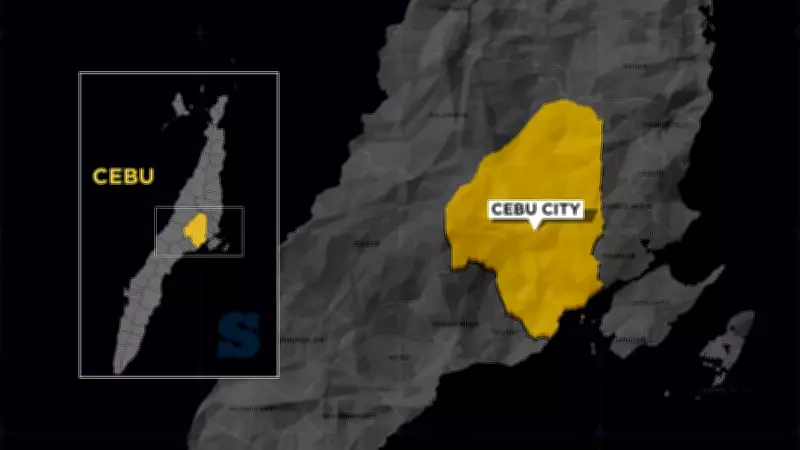
In a strong appeal to local authorities, the Cebu Electricity Rights Advocates (Cera) has called on the Cebu City Government and utility providers to urgently enhance infrastructure. The group's primary focus is on safeguarding the water supply from the Metropolitan Cebu Water District (MCWD) and tackling persistent sanitation challenges at the Pasil Fish Port and the South Road Properties (SRP).
Sanitation Crisis at Pasil Fish Port
In a detailed statement, Cera highlighted that unmanaged waste at the Pasil Fish Port continues to present severe public health and environmental dangers. The advocacy group criticized the installation of large tarpaulins during the Asean Tourism Forum 2026, which were used to conceal floating garbage and visible pollution. According to Cera convenor Nathaniel Chua, such measures only mask sanitation problems rather than resolve them.
"While these boards hide the sight of waste, they do nothing to address foul odors, bacterial contamination, or the root causes of the problem," Chua emphasized. The group recommends utilizing the 2026 Department of Agriculture-Bureau of Fisheries and Aquatic Resources budget to construct a modern fish port equipped with proper waste management systems.

Water Contamination Concerns and Infrastructure Solutions
Cera raised alarms over reports that some vendors occasionally use nearby coastal water, often contaminated with human and animal waste, to clean fish. This practice, combined with accumulated garbage and coastal pollution, underscores the critical need for a constant, high-pressure MCWD water supply to prevent groundwater infiltration.
The group pointed to discussions during the January 2026 Asean Special Senior Officials Meeting on Energy, which stressed the importance of system reliability. Cera argued that reliable power is essential for maintaining stable water pressure and averting contamination. Currently, the Pasil Fish Port lacks a wastewater treatment facility, with untreated fish blood, scales, and organic waste discharged directly into the sea.
Cera cited alarming data showing fecal coliform levels in nearby waters reaching up to 27 million MPN per 100 milliliters. The group warned that poor coordination between utilities leaves MCWD water vulnerable, noting that power fluctuations can reduce pumping pressure and create vacuums. These vacuums allow pathogens from polluted groundwater in Pasil to infiltrate the distribution system.
Proposed Measures and Economic Benefits
To address these issues, Cera advocates for non-interruptible power lines for MCWD pumping stations to prevent low pressure that permits pathogen infiltration. A modern fish port, the group stated, would not only protect public health but also generate additional revenue for Cebu City.
Furthermore, Cera expressed support for the planned relocation of the "Bagsakan" wholesale hub to the SRP Mambaling Flyover. They described this move as a crucial step toward correcting long-standing mismanagement at the Pasil Fish Port. By implementing these infrastructure improvements, Cera believes Cebu City can ensure a safer water supply and healthier environment for its residents.