DA Prepares for Rice Importation Continuation as Ban Ends
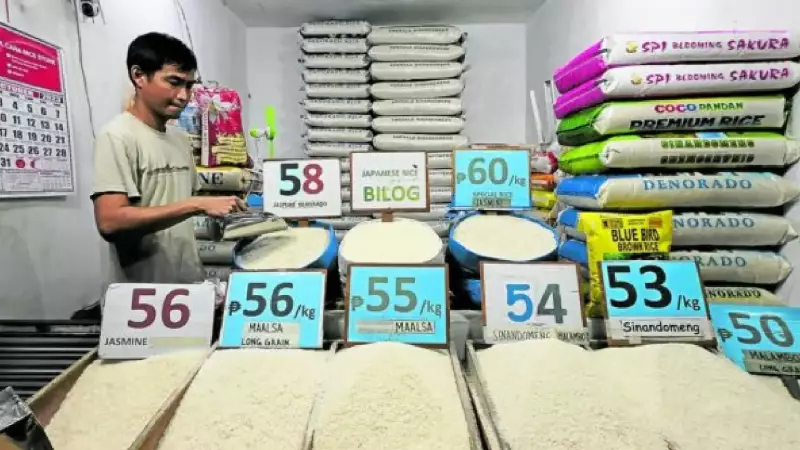
The Department of Agriculture (DA) is actively preparing for the continuation of rice importation in the Philippines, following the conclusion of a rice import ban that began in September and ended at the close of 2025. This strategic move aims to ensure a stable rice supply and address potential shortages in the domestic market.
Key Agreements and Import Limits
According to DA Assistant Secretary Arnel de Mesa, the department has already reached agreements with rice importers to limit imports to a maximum of 300,000 metric tons of rice until February. This cap is designed to balance the need for imported rice with the protection of local farmers and the agricultural sector.
Addressing Port Congestion Issues
To tackle the ongoing problem of port congestion in Manila, the DA has implemented measures to allow rice imports to pass through alternative ports. Specifically, shipments will be permitted to use ports in Bataan and Poro Point in La Union, which are expected to alleviate traffic and improve logistics efficiency.

Timeline and Impact on Harvest Season
The rice imports are anticipated to arrive by February 28, a timing that is carefully planned to avoid interference with the local harvest season. This scheduling ensures that the influx of imported rice does not disrupt domestic agricultural activities or negatively affect farmers' livelihoods.
Overall, the DA's preparations highlight a proactive approach to managing rice supply in the Philippines, with a focus on mitigating port congestion and supporting the agricultural economy through controlled importation strategies.