Davao del Norte PVO Conducts ASF Surveillance to Maintain Pink Zone Status
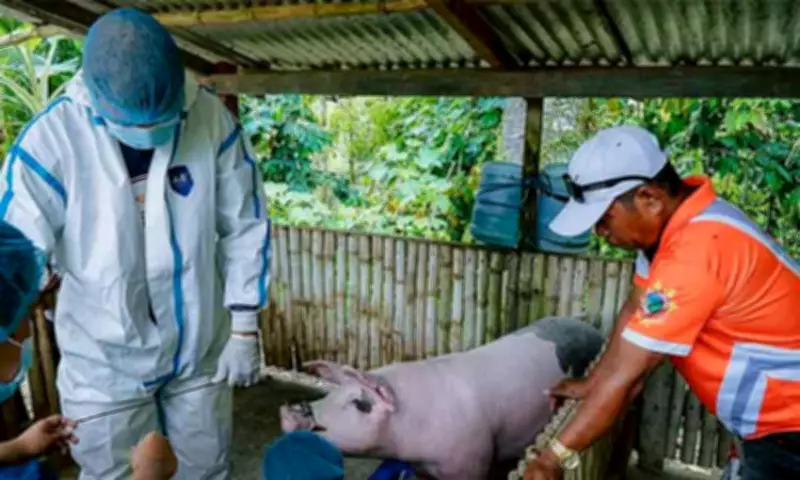
The Provincial Veterinarian's Office (PVO) in Davao del Norte has carried out comprehensive surveillance operations targeting African Swine Fever (ASF) and Hog Cholera in Barangay Mamacao, Kapalong. This initiative represents a crucial component of the province's ongoing strategy to preserve its pink zone classification, which designates areas without any active ASF cases.
Targeting Previously Affected Communities
Barangay Mamacao holds particular significance in this surveillance effort, as it was among the communities severely impacted by the devastating ASF outbreak that swept through the region in 2020. That outbreak resulted in Davao del Norte being declared a red zone, triggering strict quarantine measures and significant livestock losses.
To ensure continued protection for the province's livestock population, the provincial government has strategically focused its monitoring activities on barangays that experienced previous outbreaks. During recent inspections, officials confirmed that the majority of backyard hog raisers in these areas are diligently following proper biosecurity protocols.

Official Reminders and Testing Results
According to a February 5, 2026 Facebook post by One DavNor, the PVO has issued strong reminders to farmers about maintaining strict biosecurity practices. These measures are essential for preventing the potential return of the disease to previously affected areas.
Dr. Minelo Generale, senior agriculturist at the PVO, provided specific data about the surveillance program's scope and results. In 2025 alone, approximately 500 blood samples were collected from nine different local government units across Davao del Norte. Laboratory testing confirmed that all samples returned negative results for both African Swine Fever and Hog Cholera, two viral diseases that cause severe illness and high mortality rates in pigs.
Governor's Directive and Broader Context
This surveillance initiative forms part of Davao del Norte Governor Edwin Jubahib's broader directive to support and sustain the Department of Agriculture's livestock dispersal program for local farmers. By maintaining disease-free status, the province can better implement agricultural support programs and protect the livelihoods of farming communities.
Understanding ASF and Zoning Classifications
African Swine Fever represents a highly contagious and often fatal viral disease affecting both domestic and wild pigs, though it poses no threat to human health. The disease is caused by the African swine fever virus (ASFV), which can spread rapidly through direct contact or contaminated materials.
The Philippines operates under a National ASF Zoning and Movement Plan that categorizes areas according to risk levels:
- Red zone: Areas with confirmed active ASF cases where strict quarantine, movement restrictions, and culling measures are enforced
- Pink zone: Buffer areas surrounding red zones that may have experienced past infections but currently maintain no active cases
- Yellow zone: High-risk surveillance areas adjacent to pink zones with no current infections
- Green zone: Protected areas with no ASF presence and lower risk levels
- Dark green zone: Areas completely free of ASF with the lowest risk classification
Historical Impact on Davao Region
The 2020 ASF outbreak left a significant mark on Davao Region's agricultural sector. The disease affected Tagum City along with the municipalities of Sto. Tomas and Carmen in Davao del Norte. By March 2021, authorities had implemented extensive culling operations, resulting in approximately 47,401 pigs being destroyed to contain the virus's spread.
This outbreak impacted around 10,078 farmers across 209 barangays spanning 40 local government units. The region's swine inventory experienced an 8.07 percent decline, dropping from 941,256 in 2020 to 865,277 in 2021. Hog production similarly decreased by 4.2 percent, falling from 40,841 metric tons (MT) live weight to 39,136 MT during the same period.

The ongoing surveillance efforts in Davao del Norte demonstrate the provincial government's commitment to protecting its agricultural sector and supporting local farmers through proactive disease prevention measures.