Fuel Price Surge Sparks Confusion Over Food Costs, Retailers and Regulators Clash
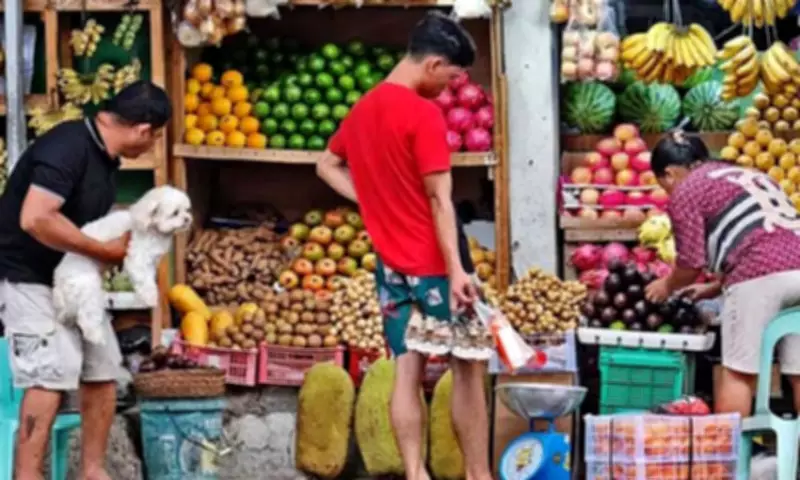
Consumers across the Philippines are grappling with uncertainty as conflicting reports emerge regarding potential food price increases in the coming weeks. Industry leaders and government officials have offered divergent statements on the impact of soaring fuel costs, creating a tense atmosphere in the market. While some retail groups warn of impending price hikes driven by escalating logistics expenses, trade regulators point to voluntary agreements designed to keep the cost of basic commodities stable.
Transportation and Logistical Hurdles Intensify
The ongoing conflict in the Middle East has significantly driven up fuel prices, which directly impact the cost of moving goods. As of Friday, March 27, 2026, fuel prices across the country remain at staggering highs. Earlier in the week, gasoline jumped by as much as P12 per liter, and diesel soared by up to P18. In Cebu City, motorists are navigating some of the highest costs in the nation, with diesel prices hitting between P59.30 and P135 per liter. These figures are mirrored in Metro Manila, where high-octane gasoline variants now range from P79.68 to P93.60, while standard diesel has climbed as high as P134.30. Premium diesel in both regions has even breached the P140 mark at several major retail stations.
The energy sector warns that the situation may worsen before it improves. While gasoline prices might see a minor adjustment or remain flat by March 31, diesel is projected to climb by another P11 to P12 per liter next week. Household budgets are also under threat as liquefied petroleum gas is anticipated to spike by P30 per kilogram due to rising global shipping costs and continued volatility in the Middle East.

Producers are currently in a wait-and-see mode but are already adjusting logistics operations as fuel expenses surge. Deliveries have become more limited, with companies prioritizing full-load shipments to manage costs, while far-flung provincial areas are experiencing reduced delivery frequency. Cebuano businessman Robert Go, spokesperson of the Philippine Retail Association-Cebu Chapter, highlighted that remote areas are bearing the brunt of rising delivery expenses.
"High fuel prices are already affecting logistics, so deliveries are limited unless full load, and those in far provinces are receiving fewer shipments," Go said. Logistics expenses have risen sharply in recent weeks, with shipping costs from Manila increasing by about 25 to 30 percent and roll-on/roll-off transport fees surging by as much as 50 percent. "From Manila to Cebu and onward to islands like Camotes, the combined increase is about 75 percent, and truck fuel costs have nearly doubled," Go added.
Retailer Strategies and Market Realities
Manufacturers have signaled that starting April 1, some products could see price increases of around three to five percent. Staples such as rice, cooking oil, sugar, and vegetables have already posted price increases, largely driven by higher gasoline costs that ripple through transport and distribution. Retailers, however, are holding the line on prices for as long as possible. Even if manufacturers implement price hikes, many retailers will continue selling at old prices until inventories are replenished at higher costs.
"If you notice, supermarkets do not increase prices immediately. We wait until old stocks are depleted before adjusting, even if manufacturers raise prices," Go explained. "Retailers try to absorb costs, even at breakeven, because of competition—we do not want to be seen as the first to increase. In fact, we want to be the last." This contrasts with public markets such as Carbon Public Market in Cebu City, where prices tend to adjust more quickly as vendors immediately factor in higher transport expenses. "Basic goods, especially rice and vegetables, are quicker to reflect increases in places like Carbon because transport costs are computed right away," Go noted.

Manufacturer Forecasts and Regulatory Response
Steven Cua, president of the Philippine Amalgamated Supermarkets Association Inc., announced that several brands of pasta, instant noodles, canned goods, and candies would see price hikes of seven to 10 percent by April 1. A drinking water company sourcing its product from Cebu will also significantly raise prices due to higher logistics expenses. "Transportation costs are the main issue here," Cua emphasized.
To safeguard the flow of goods and stabilize prices, the National Government activated the Unified Package for Livelihoods, Industry, Food, and Transport Program under Executive Order 110, which was signed by President Ferdinand Marcos Jr. on March 24. This program provides targeted support to the transport and agriculture sectors to reduce the costs of moving goods and prevent inflationary pressures. In line with this, 21 major manufacturers of essential goods pledged to maintain current prices for the next 30 to 60 days. The list of basic necessities and prime commodities includes canned sardines, bread, bottled water, instant noodles, coffee, canned meat, toilet soap, and candles.
The overlap in products, such as instant noodles and bottled water, creates a discrepancy. Some companies are bound by the trade department agreement, while others are adjusting prices due to regional supply chains or brand-specific decisions.
Supply Stability and Consumer Action
Despite rising costs, the supply of manufactured goods remains stable for now, as distributors still have sufficient inventory. The Department of Trade and Industry monitoring shows inventory levels of basic necessities remain sufficient, meaning there is no shortage of supply to justify sudden or artificial price increases. "Supply is not a problem at this point. Distributors have stocks and are also waiting for manufacturers to formally implement increases," Go said.
Food supply is likewise expected to remain adequate, barring disruptions in consumer behavior. "Food will remain stable and available unless there is panic buying," Go warned. "Unnecessary purchases beyond normal needs could wipe out supply and accelerate price increases. We advise consumers not to panic buy." Consumers should stay vigilant and purchase only what they need, according to the DTI. The department tracks prices, especially for items without suggested retail prices, and is prepared to take action against any retailer found engaging in profiteering or hoarding. Violators will face administrative fines and imprisonment imposed by the courts. To report unreasonable price increases, consumers can call the DTI’s Consumer Care Hotline at 1-384.