The Philippine government has officially prolonged the suspension on molasses imports, a measure designed to shield local sugar farmers from plummeting prices. The ban will now remain in effect until the end of March 2026.
Official Decision and Rationale
In a statement released on Wednesday, November 26, 2025, Pablo Luis Azcona, the Administrator of the Sugar Regulatory Administration (SRA), announced the extension. He confirmed that the Department of Agriculture (DA) and the SRA have mutually agreed to extend Molasses Order No. 1.
Azcona explained that the SRA Board deemed the extension necessary after reviewing the current stock levels. He noted that local molasses inventory stands at approximately 250,000 metric tons, a volume considered more than sufficient for domestic needs.

Production Figures and Price Pressures
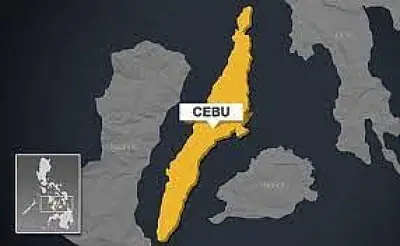
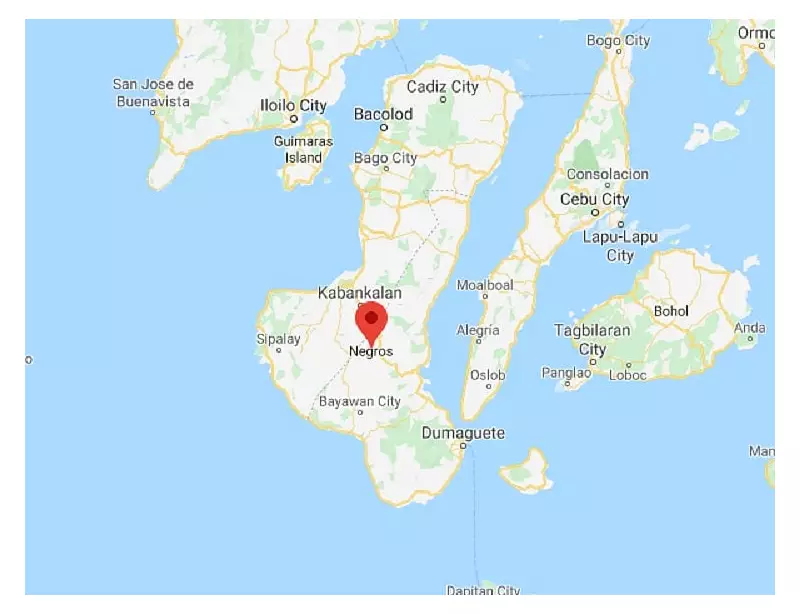
The current milling season, which commenced on October 1, 2025, has already contributed significantly to the supply. Azcona reported that as of November 9, molasses production on Negros Island alone had reached nearly 84,000 metric tons.
The initial moratorium, issued on September 30, 2025, was a direct response to a sharp decline in prices. A 21-percent surge in production during the last milling season, combined with incoming imported supply, caused prices to crash by almost half, falling below P10,000 per metric ton in early November.
Goals and Future Adjustments
Despite the existing ban, stockpiles remain high. "The extension will help relieve our millers’ tanks of local stock and, hopefully, support better molasses prices," Azcona stated.
Agriculture Secretary Francisco Tiu-Laurel endorsed the SRA's recommendation, agreeing to extend the moratorium on molasses imports until March 30, 2026. He emphasized that the decision was made in the interest of farmers and millers and left open the possibility of a further extension depending on local stock levels. The SRA and the DA retain the authority to amend the order as needed based on the total molasses inventory.
It is important to note that regulations stipulate that only locally produced molasses can be used for bioethanol production. However, both local and imported molasses are permitted for other uses, including:
- Baking and confectionery
- Cooking and beverages
- Animal feed production
- Vinegar, citric acid, and various alcohols