Negros Occidental Governor Calls for Review of Artificial Sweetener Import Policies
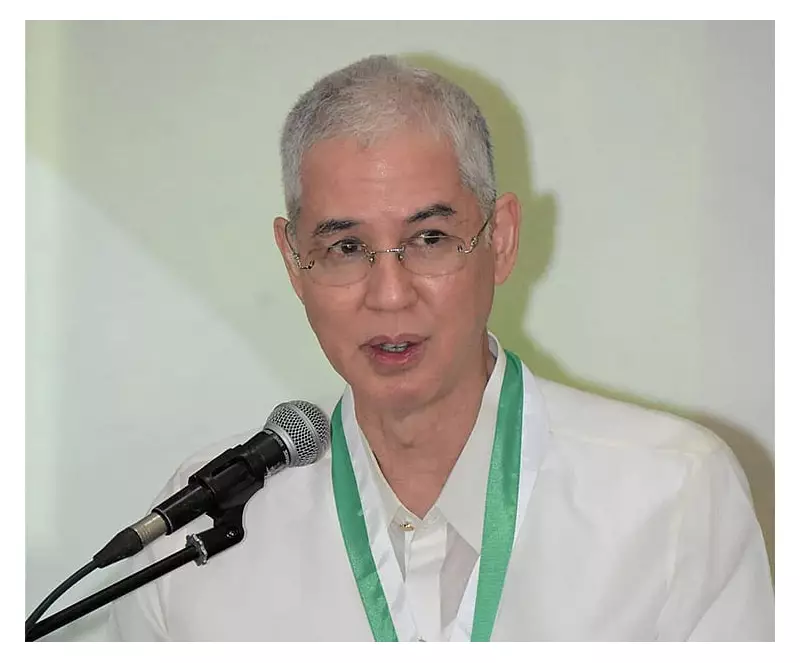
BACOLOD. In response to the ongoing crisis facing the sugar industry, Negros Occidental Governor Eugenio Jose Lacson has issued a strong appeal to the National Government and relevant agencies. He is urging a comprehensive review of import volumes and policies governing artificial sweeteners, highlighting the need to balance economic sustainability with public health concerns.
Economic Pressures on the Sugar Industry
Governor Lacson emphasized that the sugar industry in Negros Occidental, the country's major sugar-producing province, is under significant strain. He pointed to import data showing a steady increase in unregulated artificial sweeteners entering the Philippines. Specifically, imports rose from 355,196 metric tons in 2021 to 448,499 metric tons in 2022, further climbing to 473,029 metric tons in 2023, 493,048 metric tons in 2024, and 427,523 metric tons in 2025.
"For sugar-producing provinces like Negros Occidental, these volumes inevitably affect demand for locally produced sugar, placing pressure on prices and income across the value chain from farmers and mill workers to transporters and small rural enterprises that depend on the industry," Lacson stated. This economic impact threatens rural livelihoods and food security, making it a critical issue for the province.

Public Health and Regulatory Concerns
Beyond the economic implications, Governor Lacson highlighted a public health aspect that requires careful, science-based consideration. He noted that while certain artificial sweeteners, such as sucralose—which is 600 times sweeter than natural sugar—are permitted within established safety limits, guidance from the Department of Health (DOH) and Food and Drug Administration (FDA) stresses moderation, proper labeling, and informed consumer choice.
The increasing presence of high-intensity sweeteners in the food supply underscores the need to ensure that consumers are clearly informed through accurate labeling; products comply strictly with acceptable daily intake and safety standards; and the cumulative effects of widespread and long-term consumption, especially among children and vulnerable groups, are addressed, Lacson added.
Calls for Balanced Regulation and Coordination
Governor Lacson called for the government to ensure proper classification of sweeteners, strengthen coordination among economic and health agencies like the DOH and FDA in assessing market and consumption impacts, and adopt measures that support the local sugar industry's viability while safeguarding consumer welfare. "While the Provincial Government of Negros Occidental recognizes the role of innovation, we respectfully stress the importance of balanced regulation—one that protects and promotes public health, ensures informed dietary choices, and at the same time, safeguards that local agricultural industries are not disproportionately disadvantaged," he said.
He believes that through constructive dialogue and evidence-based policy action, it is possible to achieve a fair and sustainable balance that benefits both producers and consumers. Protecting the sugar industry, he argued, is inseparable from protecting rural livelihoods, food security, and public health.
Broader Industry Context and Legislative Actions
This call comes amid broader concerns about the sugar industry's critical state. Negros Occidental Third District Representative Javier Miguel Benitez earlier noted that the industry is once again facing hardship, referencing historical cycles of struggle that have even inspired cultural events like the MassKara Festival. On January 23, 2026, a Sugar Industry Public Consultation was held at Nature's Village Resort in Talisay City, Negros Occidental, involving both the Senate and Congressional Agriculture Committee.
Benitez, who attended the consultation, has filed a resolution urging the House of Representatives to conduct an inquiry into the plunge in millgate prices of locally produced sugar in Negros Occidental and its adverse economic impacts on producers and laborers. This legislative move underscores the urgency of addressing the industry's challenges through coordinated policy efforts.