Philippines Rolls Out Stricter ASF Safeguards for Swine Imports
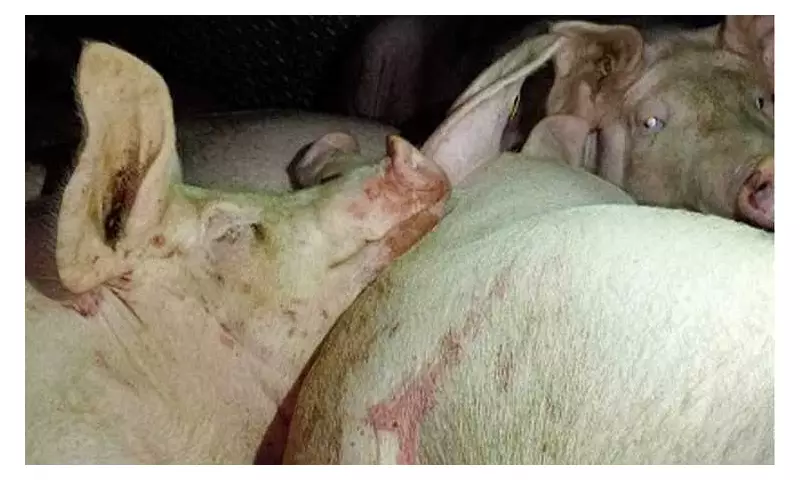
The Department of Agriculture (DA) announced on Tuesday, November 11, 2025, that the Philippines has enacted new regulations to fortify its defenses against African Swine Fever (ASF). These measures are designed to ensure the safe importation of live swine and pork products into the country, balancing biosecurity with trade needs.
Key Shift to ASF Regionalization
Agriculture Secretary Francisco Tiu Laurel detailed that a central component of the new framework is the adoption of ASF regionalization. This policy allows the Philippines to recognize specific, disease-free zones within exporting countries that have been accredited by the DA. This approach aligns with international standards set by the World Organisation for Animal Health (WOAH).
Secretary Tiu Laurel emphasized the government's ongoing efforts to recover from the impacts of ASF through a comprehensive national plan. He stated that the strategy relies on science-based monitoring and strict adherence to WOAH guidelines to facilitate safe trade in swine.

Rigorous Import Assessment Process
Under the newly established guidelines, only countries that have received DA accreditation will be permitted to apply for a declaration of being ASF-free. The responsibility for evaluating these applications falls to the Bureau of Animal Industry (BAI).
The bureau's Risk Import Assessment Team will undertake a thorough, six-month technical review for each application. This extended period is crucial to verify that the exporting country's systems and zones fully comply with both Philippine DA standards and international animal health protocols.
This multi-layered strategy represents a significant step forward in protecting the Philippines' swine industry from future outbreaks while enabling a controlled and scientifically-backed importation process.