NFA Implements Strategic Changes to Rice Auction System
The National Food Authority (NFA) is preparing significant adjustments to its rice auction procedures for 2026, aiming to create a faster and more efficient system that benefits both the agency and market participants. These changes come as the NFA continues its third auction of good-quality aging rice stocks this month, with approximately 750,000 bags scheduled for release to the market.
Addressing Current System Limitations
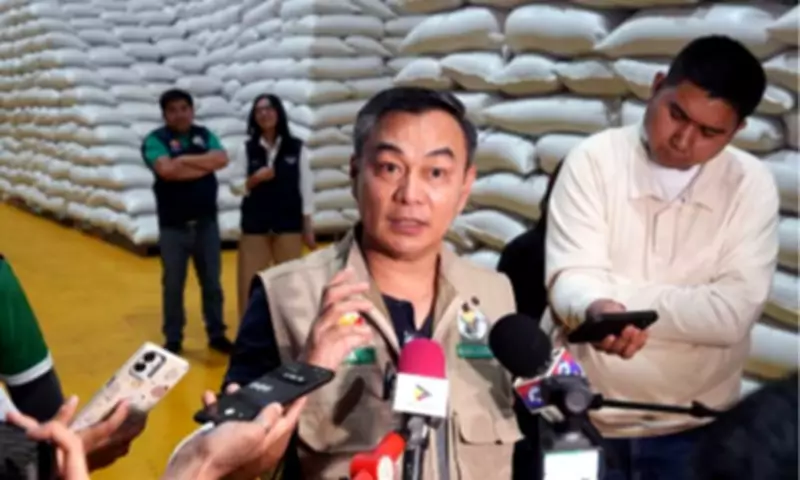
NFA Administrator Larry Lacson recently acknowledged that the current bidding cycle takes more than a month to complete, which falls slightly short of the agency's monthly auction target. "We really need to adjust it based on the experience from the previous auction," Lacson stated during an interview, emphasizing the need for improvement to ensure smoother operations and increased participation from private traders.
Key Adjustments Under Consideration
The NFA is evaluating several specific modifications to enhance the auction process:

- Volume Requirements: The agency is considering lowering the minimum volume requirement from the current 5,000 bags to 3,000 bags per bidder, responding to feedback from market participants who have requested more accessible entry points.
- Regional Implementation: Instead of maintaining a national auction system, the NFA is exploring regional auctions that would decentralize the bidding process. Currently, all biddings are processed at the central office, creating potential bottlenecks that regional implementation could alleviate.
- Timeline Optimization: The agency is working to streamline the entire auction timeline to reduce the current month-long cycle and better align with market demands.
Market Impact and Strategic Benefits
Lacson noted that more private traders are showing interest in participating in NFA auctions, particularly because the aging rice stocks remain "good and fit for human consumption." This increased participation could help address the slight retail price elevation of rice observed in some local markets, which was partly caused by delays in import arrivals during January.
The successful auctioning of aging stocks serves multiple strategic purposes for the NFA. "As we go along, the aging stocks will definitely be depleted," Lacson explained, highlighting how this process will free up warehouse space for intensified palay procurement from Filipino farmers during the upcoming harvest season in March. Currently, the NFA's buying price for clean and dry palay ranges from PHP22 to PHP25 per kilogram.
Implementation Timeline and Approval Process
The next round of rice auctions is tentatively scheduled for early April, following the Holy Week period. However, all proposed adjustments remain subject to approval by the NFA council, which will evaluate the changes based on their potential to improve efficiency while maintaining market stability.
Lacson expressed optimism about the planned improvements, stating that the agency is committed to refining the system "until it's smoother and many will be able to participate." These adjustments represent a proactive approach to modernizing agricultural commodity distribution while supporting both farmers and consumers through more responsive market mechanisms.