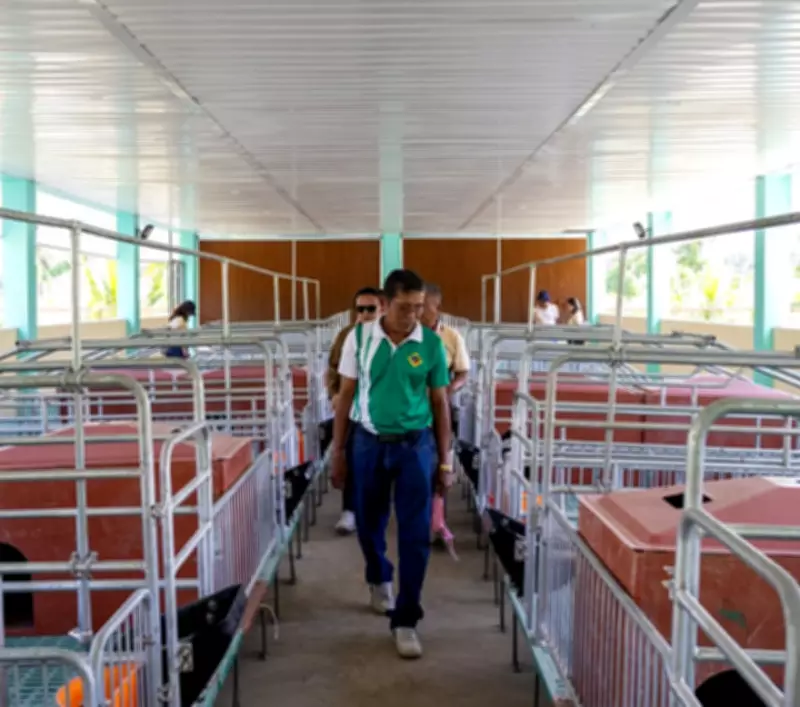
The Department of Agriculture (DA) in the Zamboanga Peninsula region has officially launched a state-of-the-art Bio-Secured Swine Housing Facility valued at P10 million in Zamboanga del Norte. This significant agricultural development aims to strengthen and revitalize the local swine industry, which has faced numerous challenges in recent years.
Modern Facility to Boost Swine Production
The facility, which opened on Wednesday, April 15, 2026, is strategically located in Bago village, Sindangan, Zamboanga del Norte. It represents a crucial component of the DA's ongoing efforts to support agricultural recovery and expansion throughout the region. The project was implemented under the Integrated National Swine Production Initiatives for Recovery and Expansion (INSPIRE) Program, a comprehensive national strategy designed to rebuild the country's swine sector.
Comprehensive Project Components
The P10 million investment includes multiple components designed to ensure sustainable and efficient swine production. The centerpiece is a modern tunnel-ventilated swine facility complete with a perimeter fence, advanced farm equipment, and an environmentally responsible waste management system, with these infrastructure elements valued at P6 million.

Beyond the physical structure, the project package includes:
- 38 heads of vaccinated pigs aged four to six months, worth P1.71 million
- P2.195 million allocated for animal and zoological supplies including feeds, medicine, disinfectants, and diagnostic test kits
- P95,000 designated for "semilya" to support training operations and capacity building
Beneficiary Cooperative
The Siari Valley Agrarian Reform Beneficiary Multipurpose Cooperative (SVARBEMCO) has been identified as the primary beneficiary of this swine housing facility. This agricultural cooperative focuses specifically on empowering farmers, particularly Agrarian Reform Beneficiaries, through sustainable agricultural practices and economic opportunities.
Strategic Agricultural Development
The opening of this bio-secured facility marks a significant step forward in the region's agricultural development strategy. By implementing modern, secure housing for swine, the DA aims to reduce disease risks, improve production efficiency, and create more stable income streams for local farmers. The facility's design emphasizes biosecurity measures to protect livestock from potential health threats while ensuring optimal growing conditions.
This investment reflects the government's commitment to supporting the agricultural sector's recovery and long-term sustainability. The combination of modern infrastructure, quality livestock, comprehensive supplies, and training support creates a holistic approach to swine industry development that could serve as a model for similar initiatives throughout the country.