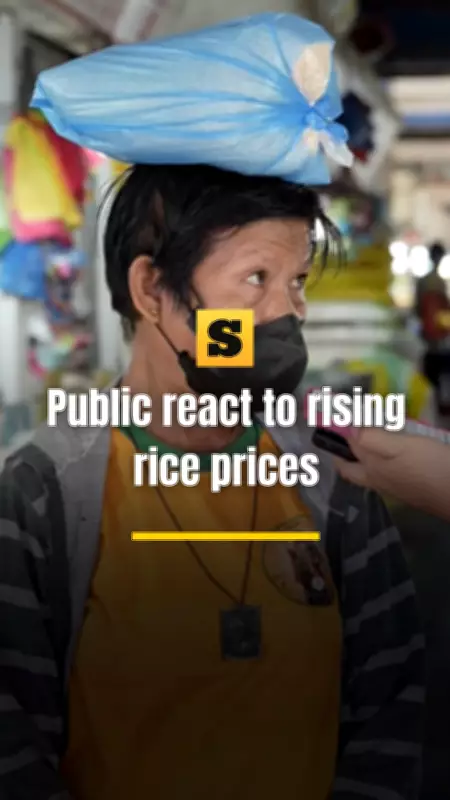
Public Reacts to Rising Rice Prices: Concerns Over Food Security and Inflation
Filipinos across the nation are voicing increasing alarm as rice prices continue to climb, sparking widespread concerns over food security and household financial stability. This staple food, a dietary cornerstone for millions, has seen significant price hikes in recent months, leading to public outcry and calls for government intervention.
Drivers Behind the Price Surge
Experts point to multiple factors contributing to the rising costs of rice. Climate change has severely impacted agricultural yields, with extreme weather events like droughts and floods disrupting production in key rice-growing regions. Additionally, supply chain disruptions and logistical challenges have hampered distribution, further straining availability. Global market trends, including increased demand and fluctuating export policies from major rice-producing countries, have also played a role in driving up prices domestically.
Impact on Households and Communities
The surge in rice prices is placing a heavy burden on Filipino families, particularly those with lower incomes. Many households report having to allocate a larger portion of their budgets to food, forcing cuts in other essential expenses such as education, healthcare, and utilities. In rural areas, where rice farming is a primary livelihood, farmers face their own struggles with rising input costs and reduced profitability, exacerbating economic pressures.

Public Sentiment and Government Response
Public reaction has been marked by frustration and anxiety, with social media platforms and community discussions highlighting the daily challenges of affording basic necessities. Citizens are urging the government to implement measures such as price controls, subsidies, and support for local agriculture to mitigate the crisis. In response, officials have acknowledged the issue and are exploring short-term relief options, including potential importation strategies and assistance programs for affected populations.
Long-Term Solutions and Food Security
Looking ahead, stakeholders emphasize the need for sustainable solutions to enhance food security. This includes investing in agricultural technology to boost productivity, promoting climate-resilient farming practices, and strengthening local supply chains to reduce dependency on imports. Public awareness campaigns on efficient consumption and waste reduction are also being considered to help manage demand.
As rice prices remain a critical issue, the ongoing public reaction underscores the urgent need for coordinated efforts between government, industry, and communities to ensure affordable access to this essential food staple and safeguard against future price volatility.