Department of Agriculture Announces Rice Millers to Increase Palay Buying Prices, Imports Scheduled Before Peak Harvest
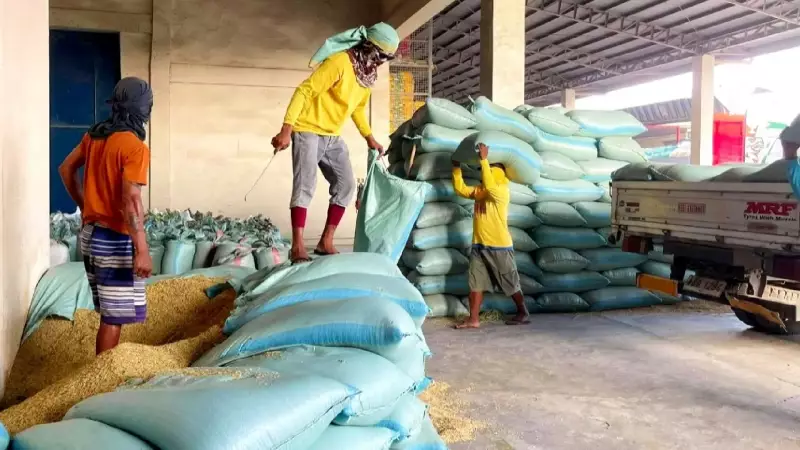
The Department of Agriculture (DA) has made a significant announcement regarding the agricultural sector, revealing that rice millers have committed to raising the buying price of palay. This move aims to provide much-needed support to farmers across the Philippines, particularly in key rice-producing regions.
Higher Buying Prices for Palay to Aid Farmers
According to the DA, rice millers will implement a minimum buying price of P17 per kilogram for wet palay, also known as unmilled rice, and P21 per kilogram for dry palay. This initiative is especially targeted at Northern and Central Luzon, which are recognized as the primary rice-producing provinces in the country. The decision comes as a response to the decline in farmgate prices observed last year, with the goal of stabilizing income for local farmers and encouraging sustainable agricultural practices.
Strategic Rice Imports to Prevent Market Disruption
In a coordinated effort, importers have agreed to bring in up to 300,000 metric tons of rice, which must arrive before the end of February. This timing is crucial to avoid any negative impact on the peak harvest season, which typically occurs in March and April. By ensuring these imports are in place early, the DA aims to maintain a balanced supply in the market, preventing potential shortages or price spikes that could affect both producers and consumers.

Future Considerations and Current Tariff Rates
The DA has also indicated that they will study the possibility of imposing restrictions or a ban on rice imports once the peak harvest season begins. This proactive measure is designed to protect local farmers from excessive competition during their most productive period. Currently, the rice tariff remains at 15%, a rate that continues to influence trade dynamics and pricing strategies within the industry.
This comprehensive approach by the Department of Agriculture highlights their commitment to supporting the agricultural community while ensuring food security for the nation. By addressing both immediate price concerns and long-term import strategies, the DA seeks to foster a more resilient and prosperous rice sector in the Philippines.