PEF and UP CIDS Unveil 2025 Islamic Finance Landscape for Bangsamoro Development
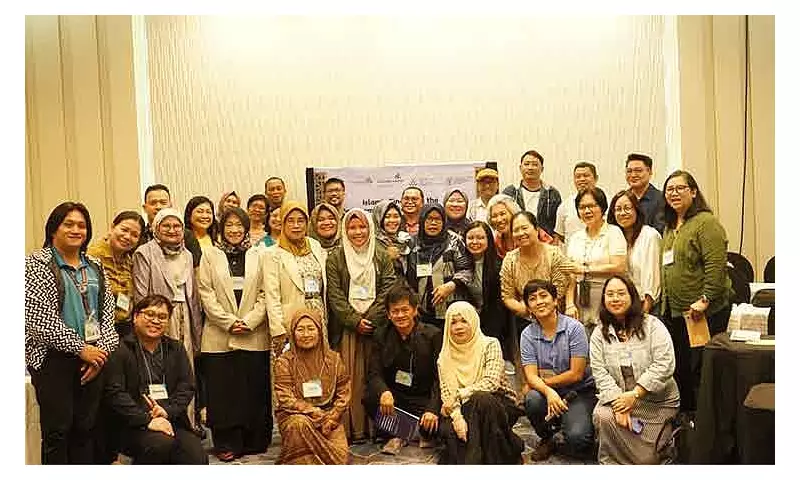
In a significant move toward fostering inclusive economic growth, the Peace and Equity Foundation (PEF) and the Escaping the Middle-Income Trap: Chains-for-Change (EMIT C4C) Program of the University of the Philippines Center for Integrative and Development Studies (UP CIDS) have presented a detailed analysis of the Islamic finance landscape in the Bangsamoro region. The presentation, held on December 9, 2025, in Cagayan de Oro, brought together key stakeholders to explore opportunities and challenges in this ethical financial sector.
Pathways to Dignity and Inclusion Through Islamic Finance
The event was attended by a diverse group of representatives, including members of the Bangsamoro parliament, civil society advocates, microfinance institutions, and academic experts. They discussed the current state of Islamic finance development, ongoing implementation efforts, and best practices from organizations that have successfully adopted such programs.
Roberto Calingo, Executive Director of PEF, emphasized the transformative potential of Islamic finance, stating, "The Islamic practices of Sharia Financing, Halal, and other essential mechanisms are not just viable options, but pathways to dignity, inclusion, and opportunities in the region." This sentiment underscores the broader goal of using ethical financial tools to empower communities and drive sustainable development.

Action Research Highlights Ethical Financial Solutions
Islamic finance, also known as Shari’ah-compliant financing, involves financial instruments and services that adhere to Islamic law. According to the action research presented, promoting this system can significantly advance financial inclusion and provide tailored solutions for Muslims in the Bangsamoro region.
Annette Balaoing-Pelkmans, Co-Convenor of EMIT-C4C, elaborated on the study results, noting, "This mechanism is an appropriate and relevant tool for promoting financing because it addresses the pressing need to mobilize capital ethically, fairly, and inclusively." The research highlights how Islamic finance can serve as a catalyst for equitable economic growth.
The collaborative action research project was launched in April 2024 through a partnership between PEF, EMIT C4C, and the UP Strategic Research and Management Foundation. The research teams conducted extensive interviews and data collection across multiple areas, including:
- Cotabato City
- Sarangani
- Lanao del Norte
- Lanao del Sur
- Zamboanga City
These findings were compiled into a comprehensive monograph published in 2025, providing a robust foundation for future initiatives.
Government and International Insights on Implementation
Following the presentation of study results, Nassef Manabilang Adiong, Director of the Bangsamoro Parliament’s Policy Research and Legal Service, shared insights into the government's efforts to develop a framework for implementing Islamic finance. This indicates a growing institutional commitment to integrating ethical financial systems into regional policies.
Additionally, Daissiel Gonzales, Program Manager of CARD-MRI, presented the Paglambo project, a Shari’a-inspired microfinancing program designed to support local communities. The event also featured international perspectives, with Rini Supri Hartanti, an Islamic Social Finance expert from Indonesia, sharing best practices from organizations like the Ramon Magsaysay Awardee Dompet Dhuafa. These examples highlighted successful approaches to advancing inclusion and diversity in financing from Indonesia.
Long-Term Vision for an Islamic Finance Ecosystem
According to Calingo, PEF plans to extend its efforts beyond action research to develop and scale up community-based models. The foundation aims to partner with other institutions to expand the implementation of Islamic finance in the Bangsamoro region, ensuring a sustainable and impactful approach.

"This is not a one-time engagement for PEF but part of their long-term vision to empower families and strengthen local economies," he affirmed. This commitment reflects a strategic focus on creating a thriving Islamic finance ecosystem that supports inclusive development and economic resilience in the region.