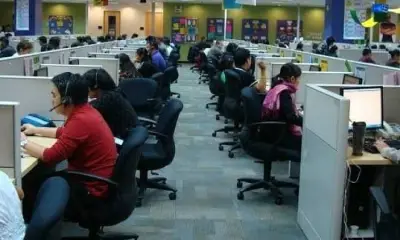
The Philippines has long been a global powerhouse in the IT-BPM and BPO sectors, but the rise of artificial intelligence is reshaping the landscape. Are we still leading, or are we starting to fall behind? This pressing question is at the forefront of discussions among industry leaders.
Expert Insights on AI and the Future of Work
Gregg Victor Gabison, Country Manager at Ray Business Technologies, recently shared his perspective on what AI means for millions of Filipino workers. He emphasized that AI is not just a threat but also an opportunity for those who are willing to upskill and adapt.
Challenges Ahead
The BPO industry, which employs over 1.3 million Filipinos, faces significant disruption from automation and AI. Routine tasks such as customer service and data entry are increasingly handled by AI, potentially reducing demand for human labor. However, Gabison notes that the Philippines can remain competitive by focusing on higher-value services that require human empathy, critical thinking, and creativity.

Strategies for Staying Competitive
- Invest in reskilling and upskilling programs for workers to transition into roles like AI training, data analytics, and process optimization.
- Foster collaboration between the government, private sector, and educational institutions to align curricula with industry needs.
- Encourage innovation in areas such as healthcare BPO, legal process outsourcing, and creative services.
The conversation underscores the urgency of preparing the workforce for an AI-driven future. As Gabison puts it, "The future starts now." The Philippines must act decisively to maintain its edge in the global BPO market.