Cebu Companies Transform CSR Strategy Following Series of Disasters
A succession of devastating events in Cebu over the past three months is compelling businesses to fundamentally rethink their approach to corporate social responsibility. Companies are shifting from temporary relief efforts toward comprehensive, long-term planning that integrates risk management and business continuity strategies.
Disasters Expose Vulnerabilities
The region experienced an earthquake in November 2025, followed by typhoons Tino and Uwan in December, and a landfill collapse in Barangay Binaliw in January. These repeated crises disrupted communities and businesses throughout Metro Cebu and surrounding towns, revealing how climate risks and fragile infrastructure systems can directly impact operations, supply chains, and workforce stability.
From Charity to Business Continuity
Business leaders now recognize that the scale and frequency of disasters require viewing CSR as an essential component of business survival rather than mere philanthropy. The world, the country, and nature are evolving quickly. Businesses cannot be mere observers, stated Shem Jose Garcia, executive director of Vivant Foundation Inc. For companies already engaged, we must intensify efforts while acknowledging resource limitations. This reality makes collaboration absolutely critical.

Strategic Collaboration Takes Center Stage
This strategic shift forms the core discussion at the inaugural Corporate Social Responsibility Convention in the Visayas, co-hosted by the League of Corporate Foundations and Cebu Landmasters Foundation Inc. The event, scheduled for February 4-5, 2026 at Maayo Hotel in Mandaue City, brings together business leaders, development organizations, and policymakers to explore how private sector resources can be deployed more strategically.
The convention location itself holds significance, as Mandaue City suffered severe flooding during typhoon Tino, highlighting the urgent need for coordinated action.
Evolution Toward Prevention and Systems
Former DILG undersecretary Austere Panadero, now president of the Zuellig Family Foundation, explained how CSR has evolved from reactive disaster response to preventive, systems-focused initiatives. CSR traditionally meant responding after disasters occurred, Panadero noted. Today, it involves strengthening institutions and reducing vulnerabilities before crises strike. This requires deep collaboration with local government units, as CSR programs achieve sustainability only when LGUs co-own the solutions.
Panadero cited examples where local governments adopted reforms initially supported by private foundations, demonstrating how CSR can catalyze lasting public action rather than substituting for it.
Climate Action with Livelihood Benefits
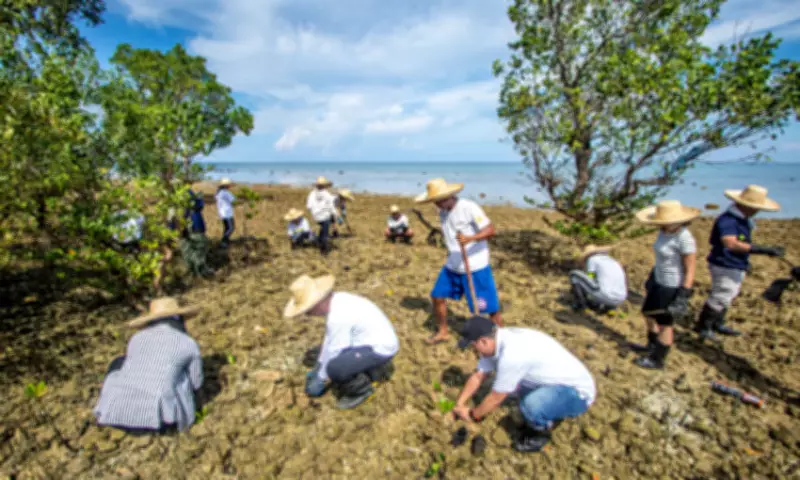
Climate-focused CSR initiatives are gaining prominence for their dual benefits of environmental protection and livelihood support. One prominent example is Cebu Landmasters Foundation's mangrove planting project in Danao City, which engages 199 fisherfolk while protecting coastal areas from storm surges and strong waves.
During the typhoon, our homes were shielded from powerful waves because mangroves surrounded our community, shared Carmen Tibog-Salvador of the Tawsan-Guinsay Fisherfolk Association.
For corporations, such projects reduce long-term climate risks while building trust with host communities—an increasingly vital factor for business operations in vulnerable regions like Cebu.
Moving Beyond Relief to Recovery
Business organizations acknowledge that repeated disasters are overwhelming traditional relief mechanisms. Mandaue Chamber of Commerce and Industry president Mark Anthony Ynoc revealed that many member-companies were themselves affected by typhoon Tino, making continued reliance on donation-based responses increasingly challenging.
This realization has spurred more recovery-oriented, skills-based CSR programs. Paulette D. Liu, president and chief operating officer of the Primary Group of Builders' CSR arm, Skills, emphasized that housing reconstruction directly impacts economic recovery. Families unable to repair their homes also struggle to return to work and normal life, Liu explained.

Skills' Rebuilding Homes, Rebuilding Lives initiative combines home repairs with basic construction skills training, enabling beneficiaries to rebuild while acquiring employable skills. Liu estimates that approximately P1 million can assist 10 families in their recovery journey.
Creating Shared Value and Resilience
League of Corporate Foundations executive director Celine Santillan highlighted that the convention underscores a broader transition toward CSR that generates shared value rather than one-time charitable contributions. This is about aligning resources to accelerate recovery and build resilience, Santillan stated. CSR is evolving into a mechanism for businesses to protect communities—and in doing so, safeguard the environments where their enterprises operate.
The convention will conclude on February 6 with delegates participating in home completion projects in Balamban, an area damaged by typhoon Tino, demonstrating how collaborative efforts yield tangible results.
Strategic Investment in Future Stability
As climate risks intensify and disasters become more frequent, Cebu's experience demonstrates that CSR is transitioning from optional philanthropy to strategic necessity. For businesses operating in vulnerable regions, investing in resilience through comprehensive CSR programs represents a critical component of continuity planning and long-term growth strategy.
The convergence of environmental protection, livelihood support, and institutional strengthening through corporate initiatives marks a significant evolution in how Philippine businesses contribute to sustainable development amid growing climate challenges.