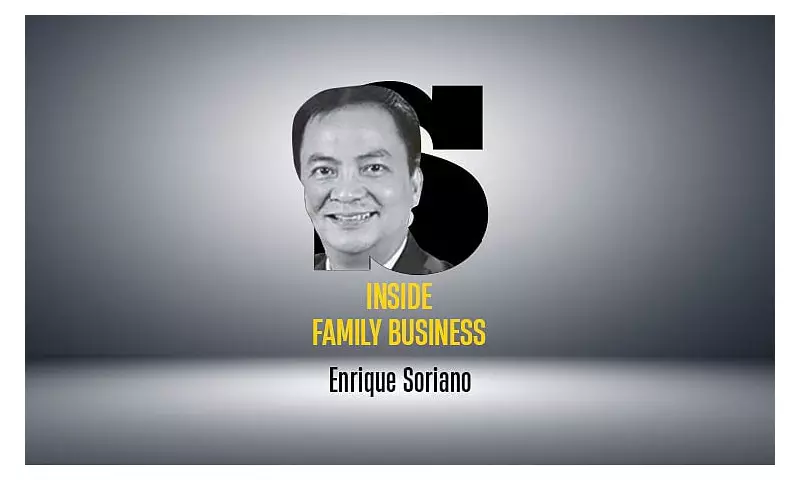
As the year draws to a close, business advisors across Southeast Asia are engaged in crucial year-end activities that will determine the future of family enterprises. These engagements involve finalizing strategic plans, conducting challenging board discussions, and evaluating the readiness of emerging leaders.
The Critical Role of Governance in Family Businesses
The author, currently in Taipei, emphasizes the urgency of these meetings by highlighting the need to return to Manila by November 29 to conduct a final masterclass. This session will feature a significant fireside chat with Lisset Laus Velasco, the chair and CEO of the Laus Group. Their discussion will focus on how proper governance can simultaneously protect business value and maintain family harmony.
Recent masterclass events in Iloilo and Cebu demonstrated growing recognition among Filipino business families about governance importance. The author specifically acknowledged Franco Soberano, COO of Cebu Landmasters, for effectively addressing questions from both founding members and next-generation leaders. What distinguished these sessions was participants' courage to confront difficult truths about their family businesses.

Transforming Entitlement into Accountability
A compelling case study illustrates this transformation. A mid-sized, multi-generational family business operating across several Southeast Asian countries faced challenges with their second-generation eldest son. Despite being intelligent and well-educated, he consistently arrived late to meetings, delegated without follow-up, and reacted defensively to feedback. The patriarch's protective approach inadvertently reinforced these negative patterns.
The solution emerged through implementing a formal governance framework featuring quarterly board performance reviews and a Next Generation Development Scorecard. This system established clear, measurable, and non-negotiable expectations. The young leader received structured feedback from family members, independent directors, and senior management.
Key performance indicators were explicitly defined, timelines strictly enforced, and accountability integrated into every reporting cycle. The leader had to personally present his performance to the board, openly discussing both successes and shortcomings.
Initial resistance gradually gave way to remarkable transformation. Consistent monitoring created unavoidable self-awareness. The leader began preparing thoroughly for meetings, proactively sought mentorship, and implemented weekly self-evaluation practices. Within a year, his performance showed marked improvement, but more importantly, his mindset evolved from asking "What am I entitled to?" to "How can I contribute more effectively to the organization I will one day steward?"
The Path Forward for Philippine Family Enterprises
As Filipino business families prepare for 2026's uncertainties, governance serves as the essential compass that aligns performance with purpose and ambition with responsibility. The emerging generation inherits not merely power but a solemn duty to steward, protect, and enhance the legacy entrusted to them.
True business continuity demands consistent discipline, courage, and moral clarity in decision-making. The evolution from privilege to purpose and from ownership to stewardship represents the fundamental shift required for family enterprises to thrive in tomorrow's complex business landscape.