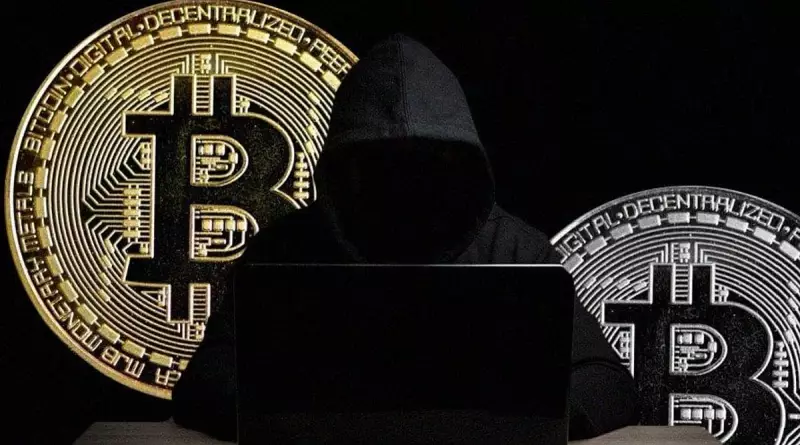
In a stark reminder that digital wealth creates real-world risks, a violent home invasion in the UK resulted in the theft of over $4.3 million in cryptocurrency. The incident, which occurred in June 2024, saw armed criminals force a crypto holder to transfer their assets at gunpoint, highlighting a dangerous evolution in crypto-related crime.
The Anatomy of a Modern Crypto Heist
The attackers meticulously planned their assault. After conducting surveillance and photographing the victim's building, they used leaked personal data to confirm the target's identity and crypto holdings. Disguised as delivery workers, the three intruders pushed their way into the home. Once inside, they brandished weapons and coerced the victim into sending a fortune in digital assets to two Ethereum addresses they controlled.
This method, often called a wrench attack, bypasses all digital security. Hardware wallets and strong passwords are useless when you are under direct physical threat. The criminals were eventually arrested and convicted by late 2025, but the case remains a powerful example of a growing trend: the blending of cyber-intelligence with physical intimidation.

Why Your Identity is the New Security Vulnerability
For many investors, the belief that holding your own keys guarantees safety is being challenged. The fundamental weakness exposed by the UK robbery was not a failure of blockchain technology or wallet encryption. The critical flaw was the exposure of the owner's identity.
Once malicious actors can link a substantial crypto portfolio to a specific person and their home address, that individual becomes a high-value target. A single leak of your personal data is all it takes to put you in the crosshairs of organized groups who are increasingly adopting these hybrid tactics.
Fortifying Your Crypto Holdings: Beyond the Digital Lock
While self-custody—maintaining full control of your private keys—is a cornerstone of crypto security, it must be implemented correctly to be effective. A secure setup must account for both digital and physical threat vectors.
Practical steps every holder should take include:
- Storing your seed phrase completely offline and securely.
- Avoiding online boasts about portfolio size or lifestyle (flexing).
- Using multi-signature wallets or time-delayed withdrawals if available.
- Regularly auditing the amount of personal information available about you online.
When considering tools, ecosystems like Best Wallet are designed to provide decentralized solutions that reduce exposure to centralized failure points. The associated $BEST token aims to fund future security upgrades and user rewards, underscoring an industry shift towards addressing these real-world risks. The key takeaway is that your personal habits are as important as your chosen wallet's technology.
The 2024 UK home-invasion robbery proves that the most vulnerable link in crypto security is often the individual and their environment. Protecting your assets now requires a dual focus: locking down your software and, just as critically, locking down your personal exposure. Assume your information could be compromised and act to protect your physical safety accordingly.