The Philippines' headline inflation rate continued its downward trend in November 2025, settling at a modest 1.5 percent, according to the latest report from the Philippine Statistics Authority (PSA).
Key Drivers Behind the Slower Inflation Rate
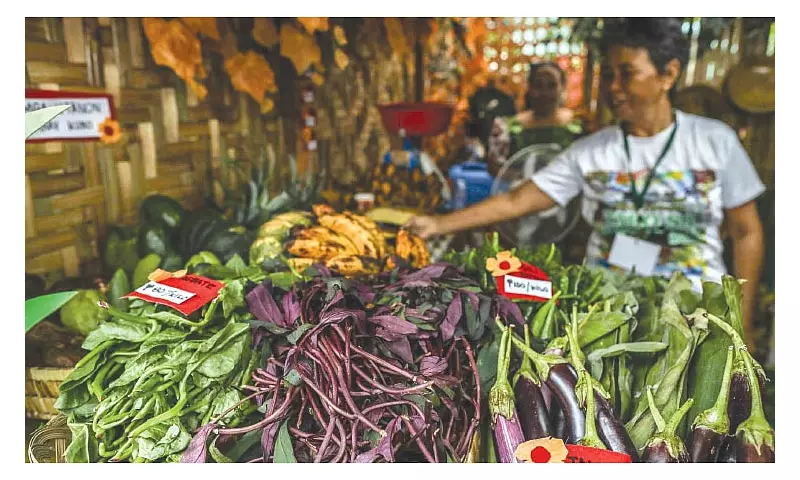
The primary factor for the easing inflation was the significantly slower price increase in the heavily weighted food and non-alcoholic beverages index. This critical index rose by only 0.1 percent in November, a sharp deceleration from the 0.5 percent increase recorded in October 2025. The overall inflation rate in October was 1.7 percent.
This positive movement brought the national average inflation from January to November 2025 to 1.6 percent, which remains comfortably below the government's target range of two to four percent for the year.

Sectoral Analysis: Where Prices Cooled and Rose
The PSA data revealed a mixed picture across different commodity groups. Several sectors saw their inflation rates decelerate in November:
- Alcoholic beverages and tobacco: 3.6% from 4.0%
- Furnishings and household equipment: 2.0% from 2.4%
- Personal care and miscellaneous goods: 2.4% from 2.5%
However, the report also noted faster annual price increases in other essential areas. The indices for housing, water, electricity, gas, and other fuels; transport; recreation, sport, and culture; and restaurants and accommodation services all moved upward.
Housing, water, electricity, gas, and other fuels were the largest contributor to the November inflation figure, accounting for 38.6 percent or 0.6 percentage point of the total. Restaurants and accommodation services followed with a 16.9 percent share (0.3 percentage point), and transport contributed 10.2 percent (0.2 percentage point).
Government Response and Future Measures
In a statement, Department of Economy, Planning, and Development (DEPDev) Secretary Arsenio M. Balisacan attributed the favorable inflation trend to the Marcos Administration's intensified efforts to ensure price stability. He highlighted programs focused on strengthening food supply chains and reinforcing national food security.
Balisacan outlined specific ongoing and future government actions designed to manage price pressures:
- Expanding the "Benteng Bigas, Meron Na!" program by opening more sites across all 81 provinces before the end of 2025. The goal is to bring affordable rice to vulnerable households by 2026.
- The Department of Agriculture (DA) is strengthening safeguards against African Swine Fever (ASF) while facilitating safe pork imports through a regionalization approach, recognizing "ASF-free zones" within accredited exporting countries.
- Automating the registration of qualified 4Ps beneficiaries for the Lifeline Rate Subsidy to extend electricity bill discounts to more households, cushioning the impact of rising power costs.
"The sustained moderation in inflation reflects our commitment to protect consumers and strengthen our economic resilience against global and domestic headwinds," Balisacan said. "We will continue implementing timely, well-coordinated policies to keep prices stable and ensure progress is felt by every Filipino."