The Philippine economy experienced a temporary slowdown in the third quarter of 2025, growing at a weaker-than-expected rate of four percent, according to the Department of Finance (DOF).
Cleaning Up Corruption Leads to Short-Term Slowdown
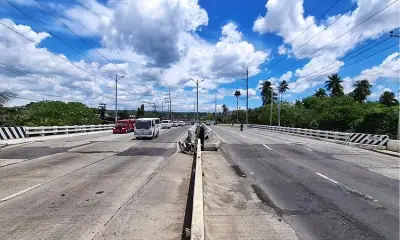
Finance Secretary Ralph Recto stated that the deceleration in public spending was partly caused by a thorough cleanup of alleged irregularities in flood control projects. In a statement released on Friday, November 7, 2025, Recto emphasized that this reflects the administration's "resolve for good governance" and a strategic shift toward more efficient use of public funds.
"This short-term adjustment will pave the way for more efficient, transparent and accountable public spending moving forward," Recto declared. The government has already filed cases against individuals allegedly involved in the flood control corruption controversy.

Catch-Up Measures and Monetary Support
To counter the slowdown, the government has implemented aggressive catch-up measures designed to align spending with national priorities. Recto revealed that P1.307 trillion in disbursements programmed for the fourth quarter will serve as a significant fiscal boost to close out the year, with most funds directed toward social services.
Meanwhile, the Bangko Sentral ng Pilipinas (BSP) provided timely monetary support through a policy rate cut last month. "We already anticipated a temporary slowdown, which is why the BSP cut policy rates last month to help stimulate economic activity," Recto explained.
Strong Fundamentals Point to 2026 Recovery
Despite the third-quarter performance, Recto maintained that the country's economic fundamentals remain robust. With inflation easing and both fiscal and governance reforms taking effect, the economy is positioned for what he described as a "robust comeback" in 2026.
Funds from the suspended flood control projects are being redirected toward higher-impact programs including education, healthcare, agriculture, and digitalization initiatives. President Ferdinand Marcos Jr. has personally directed agencies to accelerate budget execution and improve infrastructure spending efficiency to support broader economic recovery.