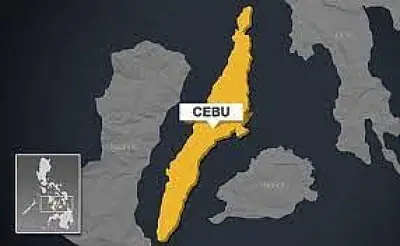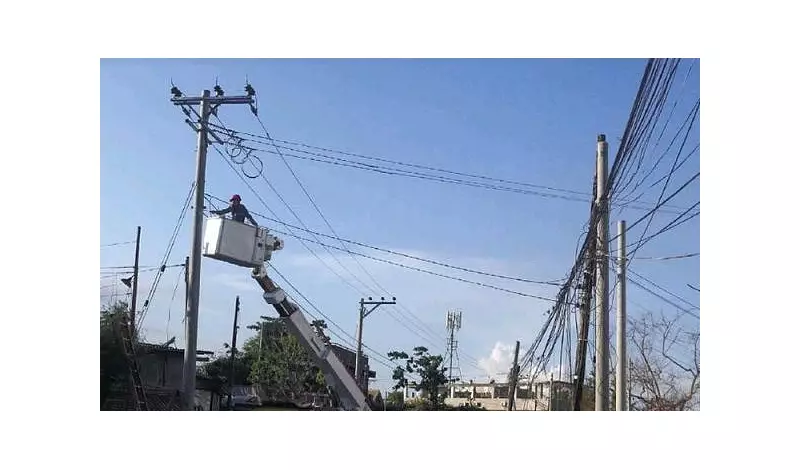
A prominent consumer rights group in Cebu has launched a sharp critique against power distributors and government regulators, condemning the unacceptable delays in restoring electricity to vital hospitals across the province following a series of recent calamities.
Hospitals Forced to Rely on Costly Generators
The Cebu Electricity Rights Advocates (Cera) has identified specific healthcare facilities that are suffering from prolonged blackouts. These include the Balamban Provincial Hospital, which is served by Cebu Electric Cooperative 3 (Cebeco 3), as well as Sogod Hospital and Danao City Hospital, both of which fall under the jurisdiction of Cebu Electric Cooperative 2 (Cebeco 2).
With stable grid power yet to be restored, these critical institutions have been forced to depend entirely on expensive generator sets to maintain their life-saving operations, incurring significant costs and facing an uncertain fuel supply.

A 'Public Health Failure' and Urgent Calls for Action
In a strongly-worded statement released on Monday, November 10, 2025, Nathaniel Chua, the convenor of Cera, did not mince words. He labeled the slow response from authorities as a 'public health failure' and issued a stark warning that patient care and safety are being directly compromised.
'Hospitals in Sogod, Danao and Balamban should have been among the first to regain power due to their importance, especially in northern Cebu. Instead, they remain severely constrained,' Chua emphasized.
The advocacy group is now pressing for immediate and decisive action. Cera has publicly urged Cebu’s electric cooperatives, Visayan Electric Company, and the Department of Energy to immediately deploy dedicated emergency crews. The priority mission must be to reconnect hospitals, health centers, and water facilities to a stable, grid-powered electricity supply without further delay.
Demanding Long-Term Energy Resilience
Beyond the immediate crisis, Cera is reiterating its long-standing demand for proactive measures to fortify the region's power infrastructure against future disasters. The group is championing strategic investments in proven solutions.
Key recommendations include:
- Accelerating the implementation of underground cabling projects to protect power lines from severe weather.
- Developing robust systems for local energy generation, such as solar power with battery storage, to ensure critical facilities can operate independently during grid-wide outages.
Chua stressed the critical need to break the cycle of failure, stating, 'We cannot keep repeating the same mistakes after every calamity. We need to act swiftly — for the good of everyone.' This situation highlights a pressing need for accountability and a decisive shift towards a more resilient energy future for Cebu.