Davao del Norte Pursues Fuel Import Agreement with Malaysia to Ensure Supply Stability
The Provincial Government of Davao del Norte is actively working to secure its fuel supply through a proposed multibillion-peso import deal with Malaysia. This strategic move comes as global uncertainties threaten petroleum availability and price stability, prompting proactive measures to safeguard local operations.
Governor Announces Negotiations for 44 Million Liters of Fuel
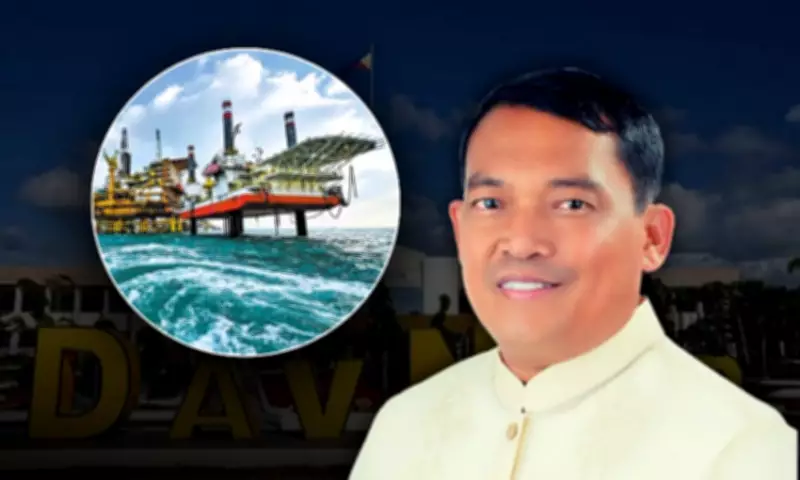
Governor Edwin Jubahib revealed on Wednesday, March 25, 2026, that the province is in talks to import 44 million liters of diesel and gasoline. He described this initiative as a direct response to potential shortages linked to escalating tensions in the Middle East, which could disrupt global fuel markets. Jubahib emphasized the critical need for a steady fuel supply to sustain government services, including emergency vehicles like ambulances, fire trucks, and rescue equipment, as well as infrastructure projects.
Details of the Proposed Deal with Malaysian Supplier
Initial discussions are underway with a Malaysia-based supplier affiliated with Petroliam Nasional Berhad (Petronas), one of Southeast Asia's largest petroleum firms. Malaysian authorities have facilitated these talks, expressing concerns over a possible global supply crunch. The province plans a single shipment of 44 million liters to cover immediate needs and establish a strategic reserve that could last up to one year. Estimated costs range from ₱40 to ₱45 per liter, subject to negotiation due to volatile global oil prices.

Logistics, Financing, and Conservation Efforts
To support the import plan, Davao del Norte is coordinating with the Development Bank of the Philippines for potential financing and exploring private sector involvement from local fuel distributors and major businesses. The province has already acquired two fuel tankers with a capacity of 24,000 liters each to enhance transport capabilities. Additionally, conservation measures such as carpooling and limiting official vehicle use have been implemented to preserve existing fuel stocks.
Economic and Legal Considerations
The push for fuel security aligns with Davao del Norte's economic growth, which reached 6.2 percent in 2024, driven by construction, manufacturing, and agriculture sectors. Officials warn that fuel disruptions could undermine these gains. However, legal experts note that fuel importation is regulated by national laws, including the Department of Energy's oversight and requirements under Republic Act No. 9184 and Republic Act No. 12009 for competitive bidding and transparency. While negotiations continue, the province has informed the Department of Energy and views the plan as part of its emergency preparedness strategy.
Distribution Plan and Future Steps
If the deal proceeds, the province intends to distribute fuel without markup to government offices and private businesses, aiming to keep operations running and protect jobs. Details on pricing, delivery, and financing are expected in the coming weeks, with Governor Jubahib stressing the goal of ensuring no service interruptions or family hardships due to fuel shortages.