Davao City Authorities Mobilize as Middle East Crisis Triggers Massive Fuel Price Surge
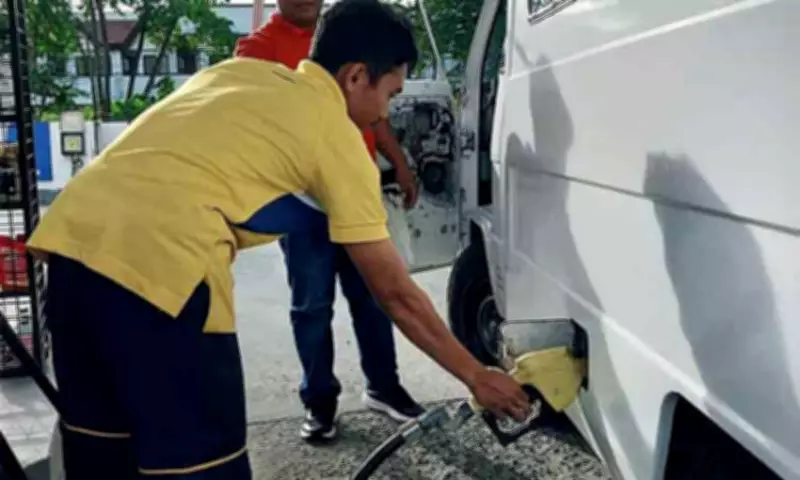
Motorists across Davao City rushed to gas stations early Tuesday morning, March 10, 2026, as a significant fuel price adjustment took effect following escalating tensions in the Middle East. The Department of Energy (DOE) confirmed substantial increases, with gasoline prices rising by ₱7 to ₱13 per liter, diesel by ₱17.50 to ₱24.25 per liter, and kerosene by ₱32 to ₱38.50 per liter.
Global Energy Markets in Turmoil
The ongoing conflict involving the United States, Israel, and Iran has sent shockwaves through global energy markets, with oil prices surpassing $100 per barrel. Fighting in the region has disrupted critical shipping routes, including the Strait of Hormuz, which carries a substantial portion of the world's oil supply. This volatility has forced governments worldwide to reassess contingency plans as fuel costs escalate and supply chains face unprecedented uncertainty.
Proactive Local Response
In anticipation of potential domestic impacts, the Davao City Police Office (DCPO) convened an inter-agency coordinating meeting on March 9, 2026. The gathering, held at Kapanalig Hall within DCPO headquarters and led by Police Colonel Mannan Caracas Muarip, Acting City Director of DCPO, brought together representatives from multiple government agencies.

Participants included officials from the City Mayor's Office, Task Force Davao, Philippine Coast Guard – Coast Guard Station Davao, the Department of Trade and Industry-Davao Region, the City Transport and Traffic Management Office, and the Department of Energy. The meeting focused on strengthening inter-agency coordination, assessing risks from global fuel market volatility, and outlining proactive measures.
Unified Strategy for Local Stability
The discussions centered on ensuring adequate fuel supply, stabilizing prices, maintaining efficient transportation services, and safeguarding public order. All participating agencies expressed support for a unified response strategy, committing to collaborate closely with police and local government in monitoring fuel and commodity prices, managing transportation concerns, and ensuring timely information sharing.
Police Colonel Muarip emphasized that while global tensions may seem distant, their ripple effects can directly impact local communities. "Developments in distant regions can still significantly affect local economies and daily life," he stated, highlighting that preparedness involves not only operational readiness but also building trust, transparency, and collaboration with the public.
Growing Concerns Among Residents
Despite the price adjustment already taking effect, many motorcycle riders and drivers remain apprehensive that fuel prices may continue to rise in coming days, potentially further affecting their daily earnings and transportation costs. Interviews with Dabawenyos conducted earlier this week revealed growing strain from recent increases in gasoline and diesel prices.
The Department of Energy has warned that continued instability in the Middle East could push Philippine fuel prices even higher in the coming weeks due to global supply disruptions and rising crude oil costs. "The Department continues to actively monitor developments in the Middle East and their potential impact on global oil prices, particularly those arising from logistical and supply chain factors," the DOE stated.
Coordinated Efforts to Mitigate Impact
Local authorities emphasized that ongoing coordination among agencies aims to prevent panic buying, protect consumers, and ensure that essential services remain stable as the international situation evolves. Officials welcomed the initiative, noting that early coordination is crucial in mitigating potential ripple effects of international crises on local communities.
The DCPO chief underscored the importance of proactive planning and strong inter-agency cooperation to ensure Davao City remains resilient amid external uncertainties. As global energy markets continue to fluctuate, local preparations and coordinated responses will be essential in navigating the challenges posed by this international crisis.