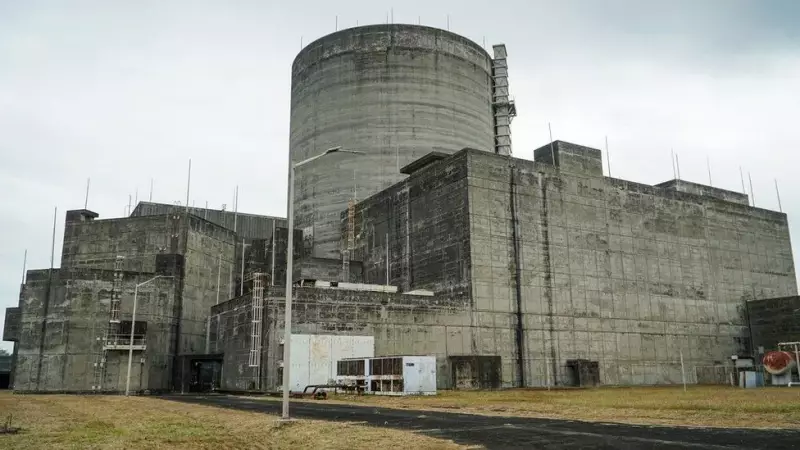
DOE Pinpoints Potential Locations for Nuclear Power Plant Development in the Philippines
The Department of Energy (DOE) has officially identified multiple areas across the country that are being considered as potential sites for the construction of nuclear power plants in the coming years. This announcement was made during a recent hearing of the Senate Committee on Science and Technology, where DOE Director IV Patrick Aquino outlined the government's preliminary findings.
List of Potential Nuclear Plant Sites
According to Director Aquino, the following locations have been deemed suitable based on physical inspections and thorough evaluations conducted by authorities:
- Various parts of Bataan, including the current site of the Bataan Nuclear Power Plant.
- Labrador, Pangasinan.
- Specific areas in Camarines Norte.
- Puerto Princesa in Palawan.
- Masbate.
These selections are part of a broader strategy to diversify the nation's energy mix and enhance power generation capabilities.

Philippines' Nuclear Energy Roadmap and Targets
The DOE has set ambitious targets for the integration of nuclear energy into the Philippine grid. The plan aims to have commercially operational nuclear power plants by the year 2032, with an initial capacity of 1,200 megawatts. This capacity is projected to expand significantly, reaching up to 4,800 megawatts by 2050, as part of a long-term energy security framework.
Key Considerations and Challenges in Nuclear Plant Development
During the hearing, the DOST–Philippine Nuclear Research Institute highlighted several critical factors that must be addressed in the development of nuclear facilities. One of the fastest pathways to entering the nuclear energy sector, as noted, is the reactivation of the Bataan Nuclear Power Plant. However, this option remains stalled due to ongoing political issues and public concerns.
The DOST emphasized strict safety protocols, stating that nuclear plants cannot be built near:
- Active volcanoes.
- Fault lines.
- Flood-prone areas.
Additionally, the institute stressed the necessity of obtaining local community consent and conducting comprehensive public consultations before any project approvals are granted, ensuring transparency and social acceptance.
Regulatory Framework and Recent Developments
In a significant move to bolster nuclear energy governance, President Ferdinand Marcos Jr. signed legislation in 2025 that established the Philippine Atomic Energy Regulatory Authority (PhilATOM). This new body is tasked with overseeing the safe and regulated use of nuclear energy across the country, providing a structured regulatory environment for future projects.
The identification of these potential sites marks a pivotal step in the Philippines' journey toward adopting nuclear power, aligning with global trends in sustainable and reliable energy sources. As the nation progresses, continued dialogue and rigorous assessments will be essential to navigate the complexities of nuclear energy implementation.