Senator Escudero Proposes Limay, Bataan as Site for National Strategic Fuel Reserve
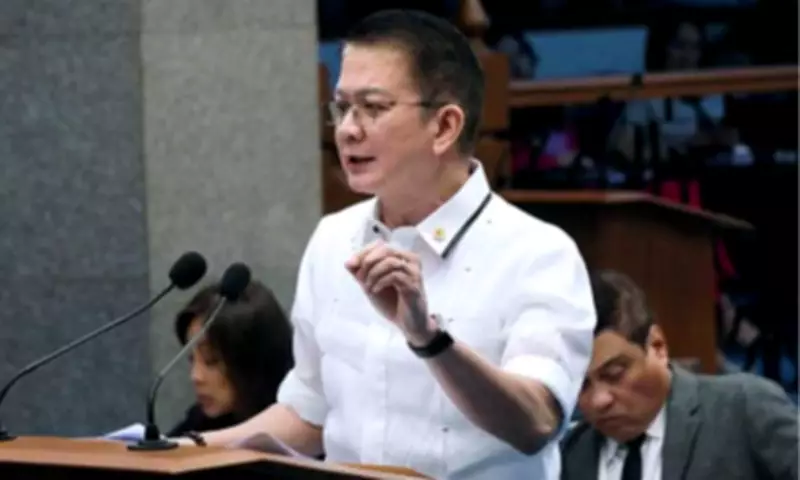
Senator Francis Escudero has introduced a significant legislative measure aimed at bolstering the Philippines' energy security by proposing the establishment of a government-owned fuel storage facility in Limay, Bataan. The senator filed Senate Bill No. 1993 on Wednesday, which seeks to create a National Strategic Fuel Reserve system designed to strengthen the nation's resilience against global oil supply disruptions and mitigate the impact of price shocks.
Key Provisions of Senate Bill No. 1993
The proposed facility is envisioned to have a substantial storage capacity, capable of holding between 90 to 180 days of the country's national fuel consumption. This strategic reserve is intended to help stabilize fuel supply and cushion the economy from volatile price fluctuations in the international market. Escudero emphasized the practicality of selecting Limay, Bataan, citing its deep-water port and close proximity to the Philippines' sole refinery as critical factors that make it an ideal location for such a facility.
Oversight and Management Structure
Under the provisions of the bill, the Department of Energy, in coordination with the Philippine National Oil Company, will be tasked with overseeing the construction, management, and operation of the fuel reserve. This includes responsibilities for procurement, storage, and distribution of fuel. The measure also introduces a Targeted Fuel Relief Program, which will provide cash assistance or fuel vouchers to sectors most vulnerable to supply disruptions and price spikes, such as farmers, fisherfolk, transport workers, and small businesses.

Financial Authorization and Long-Term Goals
To kickstart the project, the bill authorizes an initial funding of PHP60 billion for the construction of the facility. It further mandates the maintenance of fuel reserves to ensure long-term supply stability. Escudero described the strategic crude oil stockpile as a protective shield for the nation, serving as a stabilizing mechanism during extraordinary circumstances. This would allow the government to release fuel reserves in times of shortages or extreme price increases, thereby safeguarding the economy and vulnerable populations.
Escudero stressed the urgency of this initiative, stating that the Philippines must catch up with other nations that have already implemented similar strategic reserves. The proposal underscores a proactive approach to energy policy, aiming to reduce dependency on volatile global markets and enhance national security. By establishing this reserve, the government aims to provide a reliable buffer against future energy crises, ensuring that critical sectors remain operational and protected from economic shocks.