Fuel Prices Projected to Jump by Up to P1.40 per Liter Next Week
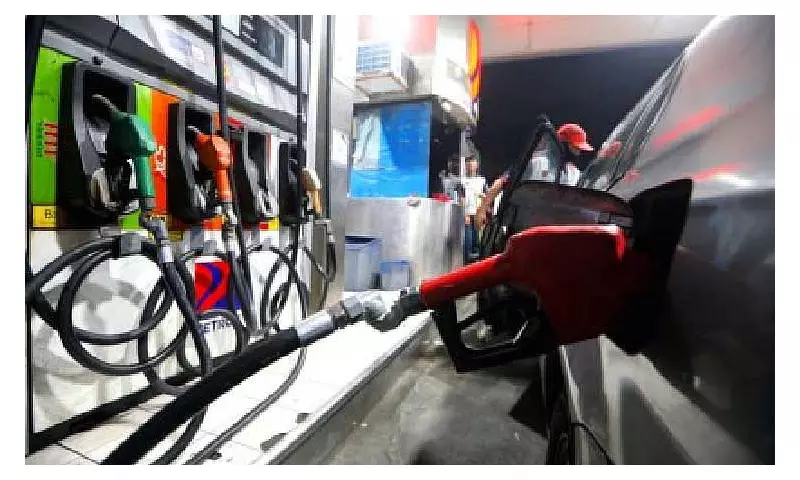
Oil prices in the Philippines are expected to increase significantly next week, with projections indicating a rise of as much as P1.40 per liter. This anticipated hike comes amid growing concerns over global supply constraints and geopolitical tensions that are putting upward pressure on fuel costs.
Detailed Breakdown of Projected Price Adjustments
In an advisory released on Friday, January 23, 2026, Jetti Petroleum president Leo Bellas provided specific estimates for the upcoming price adjustments. Based on Asian benchmark prices and foreign exchange movements observed on Thursday, January 22, diesel prices could see an increase ranging from P1.20 to P1.40 per liter. Meanwhile, gasoline prices may rise by a more moderate thirty to fifty centavos per liter.
This projected increase would mark the third consecutive week of hikes for gasoline prices and the fifth consecutive week for diesel, highlighting a sustained upward trend in fuel costs that is impacting consumers across the nation.

Key Factors Driving the Price Surge
Bellas identified several critical factors contributing to the current price pressures. Supply disruptions have emerged as a primary concern, with the temporary halting of production at two large oilfields in Kazakhstan and ongoing export constraints in the Black Sea region creating worries about tightening near-term supply.
Additionally, optimism over demand from China following better-than-expected economic growth data has bolstered market confidence. This is further supported by the International Monetary Fund's stronger economic growth forecast for 2026, which suggests increased energy consumption ahead.
Geopolitical Tensions and Market Volatility
The Jetti Petroleum executive noted that oil prices have remained volatile despite some easing of concerns over potential supply disruptions from the Middle East. Lingering worries about a possible US military intervention in Iran continue to influence market sentiment.
"Geopolitical tensions continue to have a significant impact on the prices of diesel and middle distillates," Bellas emphasized. He added that this pressure is further exacerbated by reports of sharply rising demand from the United States and increased consumption from Europe due to colder temperatures sweeping the continent.
The combination of these factors—supply constraints, geopolitical uncertainty, and strong demand signals—creates a challenging environment for fuel pricing in the Philippines, with consumers likely to feel the impact at the pump in the coming week.