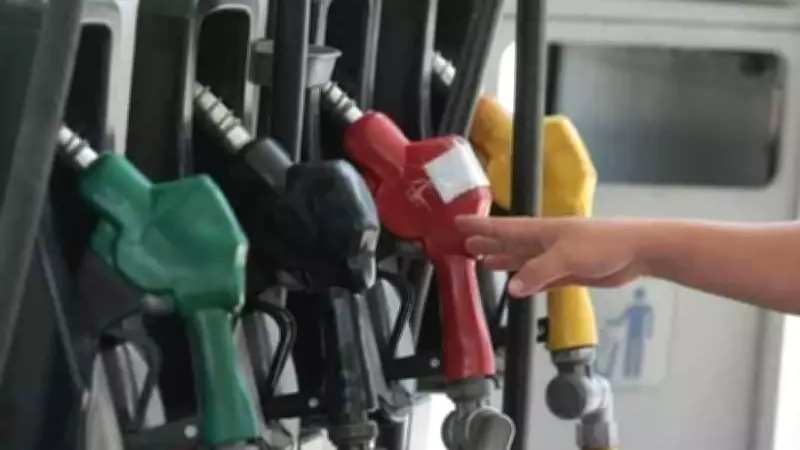
Government Intensifies Monitoring of Gas Stations Amid Major Oil Price Hike Threat
The Department of Energy (DOE), in collaboration with law enforcement agencies, has heightened its vigilance against exploitative gas stations in response to an anticipated substantial increase in petroleum prices this week, driven by escalating tensions in the Middle East. As a proactive measure, the DOE has partnered with the Department of Information and Communications Technology (DICT) to launch an electronic complaint platform. This system enables consumers to report stations suspected of violating fuel pricing regulations or experiencing supply shortages.
Streamlined Complaint Process via eGov App
According to the agency, the public can easily submit complaints using the eReport tab within the eGov application. Users simply need to select the Gas Station Concerns option, fill in the required details, and specify whether the incident is currently occurring or was observed in recent days. This digital approach aims to facilitate faster reporting and enhance transparency in the fuel market.
Enhanced Surveillance Against Hoarding and Profiteering
In addition to leveraging technology, the DOE is coordinating with the Department of the Interior and Local Government (DILG) and the Philippine National Police (PNP) to strengthen monitoring efforts against hoarding and profiteering activities. The government is encouraging the public to promptly report any suspicious behaviors at gas stations, such as artificial shortages or unjustified price markups, to prevent market manipulation.

Impact of Middle East Tensions on Global Oil Supply
This heightened surveillance comes in the wake of the closure of the Strait of Hormuz, a critical global shipping corridor that connects Gulf oil producers to the Gulf of Oman and Arabian Sea. Recognized as the world's most vital oil export route, its shutdown has been triggered by ongoing conflicts involving the United States, Israel, and Iran. The disruption threatens to exacerbate oil supply constraints, potentially leading to widespread price hikes and economic repercussions.
The government's multi-faceted strategy underscores its commitment to protecting consumers from unfair practices during this volatile period. By combining technological solutions with law enforcement collaboration, authorities aim to ensure compliance with regulations and maintain stability in the fuel sector amidst global uncertainties.