President Marcos Declares National Energy Emergency Amid Middle East Crisis
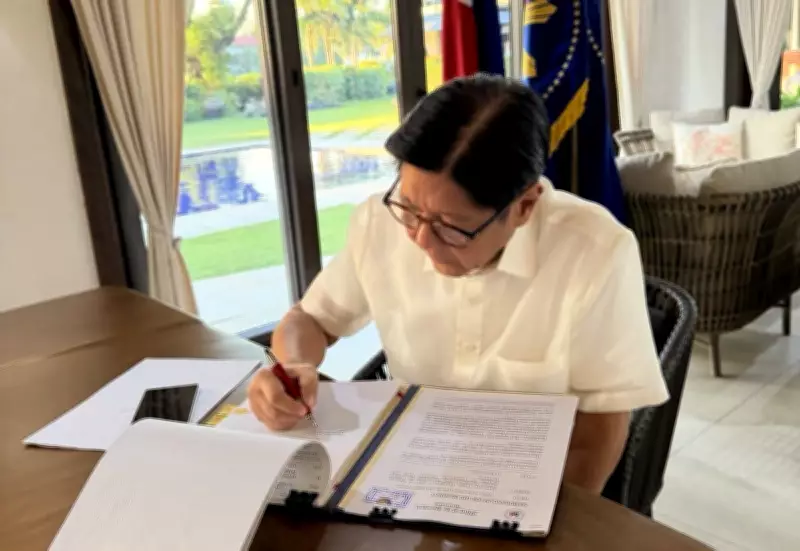
President Ferdinand R. Marcos Jr. has formally declared a state of national energy emergency to protect the Philippines from the looming effects of intensifying tensions and conflicts in the Middle East. This decisive action, based on the entirety of Executive Order No. 110 released on March 24, 2026, aims to immediately address threats to the stability and sufficiency of the country's energy supply after the Department of Energy identified a critical situation.
Global Oil Disruptions Trigger Emergency Measures
According to the executive order, the closure of the Strait of Hormuz and the ongoing disputes involving the United States, Israel, and Iran are causing severe disruptions to global oil shipments. As the Philippines is a net importer of petroleum products, the government acknowledges that the nation is highly vulnerable to sudden spikes in oil prices and delays in supply chains. This vulnerability poses significant risks to both public welfare and economic stability, necessitating urgent intervention.
Implementation of UPLIFT Framework to Mitigate Impacts
To alleviate the effects on the public and the economy, President Marcos has also mandated the widespread implementation of the Unified Package for Livelihoods, Industry, Food, and Transport, known as UPLIFT. This framework will serve as the official whole-of-government response mechanism to ensure the continuous flow of business operations and the delivery of essential services, particularly in sectors most likely to be affected. The UPLIFT initiative is designed to provide comprehensive support, addressing immediate needs while fostering long-term resilience in key areas such as transportation, agriculture, and industry.

Duration and Authority of the Emergency Declaration
Based on the final page of the executive order signed by Acting Executive Secretary Ralph G. Recto, the declaration will remain effective for one year from its issuance, unless revoked or extended by the Chief Executive. This timeframe allows for flexible management of the crisis, enabling the government to adapt measures as the situation evolves. The order underscores the administration's commitment to proactive governance in the face of global uncertainties, with a focus on safeguarding national interests and maintaining economic continuity.