President Marcos Oversees Historic Turnover of Major Hydroelectric Complex to Private Consortium
President Ferdinand R. Marcos Jr. on Monday underscored the critical need for well-defined regulations and a collaborative approach between the government and private sector as he presided over the formal handover of the Caliraya–Botocan–Kalayaan (CBK) Hydroelectric Power Plants to a private consortium. The event, held in Manila, marks a significant milestone in the country's energy sector privatization efforts.
Strengthening Essential Services Through Strategic Alliances
In his keynote address, President Marcos emphasized that partnerships between public institutions and private enterprises are fundamental to maintaining reliable, affordable, and responsive essential services, particularly electricity. "Building on the combined strengths of both sectors, we actively encourage collaborations that prioritize public welfare while fostering transparency and accountability in all operations," Marcos declared during the ceremonial proceedings.
The Vital Role of the CBK Power Complex
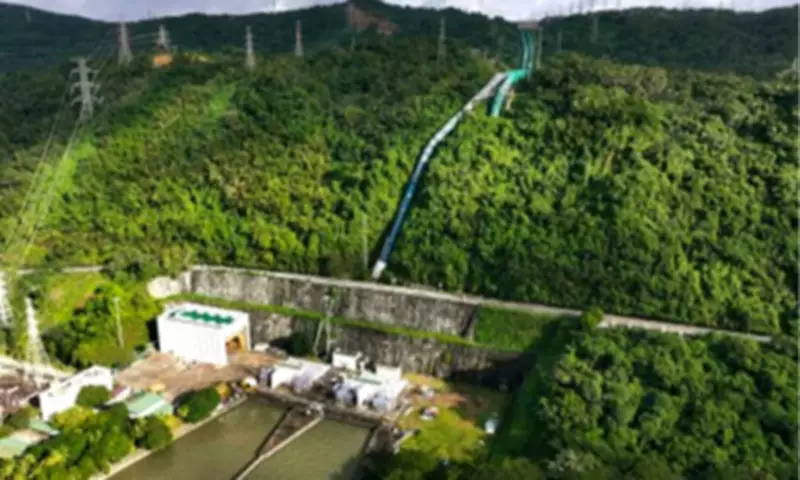
The CBK hydroelectric facility stands as one of Luzon's largest power generation complexes, with a combined capacity of 797 megawatts. This integrated system comprises three distinct plants, each serving specialized functions within the energy grid:

- Caliraya Plant: Primarily functions as a water storage reservoir, ensuring consistent water supply for power generation.
- Botocan Plant: Utilizes flowing river water to produce electricity through conventional hydroelectric methods.
- Kalayaan Plant: Operates as a pumped-storage facility that helps balance electricity supply and demand, particularly during peak consumption periods.
President Marcos highlighted the system's crucial role in stabilizing the Luzon power grid, especially as the Philippines accelerates its transition toward renewable energy sources. "Together, these facilities form a sophisticated system engineered not merely for power generation, but for maintaining equilibrium across the entire electrical network," he explained.
Financial Benefits and Infrastructure Development
The privatization of the CBK facilities has generated substantial revenue for the government, exceeding PHP 36.27 billion. President Marcos noted that these funds will be strategically allocated to address fundamental public needs and enhance national infrastructure. "This initiative enables the government to unlock significant financial resources while guaranteeing the continued operation of a strategically vital energy asset," Marcos stated, specifying that the proceeds could support critical projects including classroom construction, road improvements, and hospital upgrades.
Experienced Consortium Takes Operational Control
The newly appointed operator, the Thunder Consortium, brings together extensive expertise from three prominent energy companies:
- Aboitiz Renewables Inc. – A leading Philippine renewable energy developer
- Sumitomo Corporation – A major Japanese trading and investment firm
- Electric Power Development Co., Ltd. (J-POWER) – A specialized Japanese electric power company
This consortium possesses considerable experience operating power facilities both within the Philippines and internationally, ensuring professional management of the CBK complex.
Demonstrating Investor Confidence in Philippine Energy Policy
President Marcos characterized the successful turnover as a strong indicator of investor confidence in the country's energy policies and the government's approach to public-private partnerships. "Strategic collaboration between public and private entities transforms infrastructure investment into dependable daily services that citizens can trust," he affirmed, reinforcing the administration's commitment to this development model.
The transition represents a forward-looking step in optimizing the nation's energy assets while generating resources for public welfare programs, aligning with broader goals for sustainable energy development and economic growth.