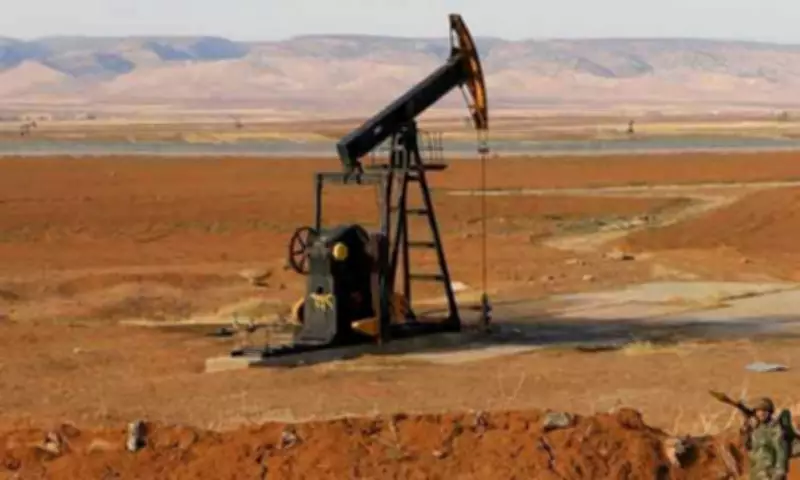
Rising geopolitical tensions in the Middle East are beginning to ripple across global energy markets, raising concerns about possible increases in electricity and fuel prices in the Philippines in the months ahead. The country's third-largest power distributor, Davao Light and Power Company (Davao Light), has issued a warning that instability in major oil-producing regions could push global fuel prices higher, which may eventually be reflected in local electricity rates.
How Middle East Tensions Affect Philippine Power Rates
In an ambush interview during the Davao Peace and Security Press Corps on March 3, Davao Light spokesperson Fermin Edillon emphasized that developments in the Middle East historically have had a direct impact on the global fuel market. He stated, "Regarding the tension in the Middle East, obviously it has an impact, with a rise in fuel in the world market. If the price of fuel in the market increases, it most likely has an impact on our electricity rate. Perhaps, what's important here is that we should prepare."
The Middle East remains central to global oil supply, with key producers such as Saudi Arabia, Iran, Iraq, and the United Arab Emirates accounting for a significant share of the world's crude exports. Recent tensions involving the United States and Iran, as well as broader security concerns in oil transit routes like the Strait of Hormuz, have triggered volatility in global benchmark prices, including Dubai crude—the pricing reference commonly used for Asian markets.

The Philippines, which imports more than 90 percent of its oil requirements, is particularly vulnerable to external supply shocks. While the country does not directly import most of its crude from conflict zones, global oil is priced in an interconnected market. Any disruption in supply or threat to major shipping routes can tighten global inventories and drive up prices worldwide.
Higher oil prices can translate into increased generation costs for power plants that run on fuel oil or diesel. Even natural gas and coal prices can be indirectly affected due to shifting demand in the global energy mix. These costs are passed through to consumers via the generation charge component of electricity bills.
Temporary Relief in March Billing
Despite the looming risks, Davao Light customers will see lower electricity rates for the February 11 to March 11, 2026 billing period. The overall rate dropped by P1.42 per kilowatt-hour (kWh), bringing it down to P10.30/kWh from January's P11.72/kWh. The reduction was primarily driven by lower prices at the Wholesale Electricity Spot Market (WESM), providing temporary relief following a spike in January. A typical household consuming 200 kWh is expected to save around P284 during the period.
However, industry officials caution that such reductions may be short-lived if global fuel costs continue their upward trajectory. Edillon noted that while the immediate impact may be modest, consumers could begin feeling the effects as early as March, with a more pronounced adjustment likely by April if global prices continue to climb. He urged households to begin managing their electricity consumption more carefully, emphasizing that usage remains a key factor in monthly bills.
Fuel Prices on the Rise
Fuel retailers have already begun implementing price hikes. Companies including Seaoil, Jetti Petroleum, Caltex, and Petron announced increases of P1.20 per liter for diesel and P1.50 per liter for kerosene, marking the 10th consecutive week of diesel price hikes. The Land Transportation Franchising and Regulatory Board (LTFRB) said it is considering provisional fare increases for public utility vehicles in response to escalating fuel costs.
Meanwhile, the Department of Energy–Oil Industry Management Bureau (DOE-OIMB) warned that pump prices could rise by as much as P7 to P10 per liter if global crude prices surge by an additional $20 per barrel. DOE-OIMB Director Rino Abad stated that the government is coordinating with the Department of Transportation (DOTr) and the Department of Agriculture (DA) regarding the potential rollout of fuel subsidies. Under existing guidelines, fuel subsidies for public transport drivers and farmers may be triggered if Dubai crude averages at least $80 per barrel for one month.

Price Monitoring Ongoing
For now, trade officials say there has been no direct and immediate impact on consumer goods prices in Davao. Arriel Nengasca, Chief Trade and Industry Development Specialist of the Department of Trade and Industry-Davao Region (DTI-Davao), mentioned that authorities are closely monitoring fuel and basic commodity prices. He said, "We are monitoring the prices and we have yet to receive instructions from our central office. We are always ready for price increases in case there are policies during emergencies," during the Habi at Kape Business Forum on March 3.