Cebu City's CBRT Shared-Lane Policy Shows Positive Traffic Impact
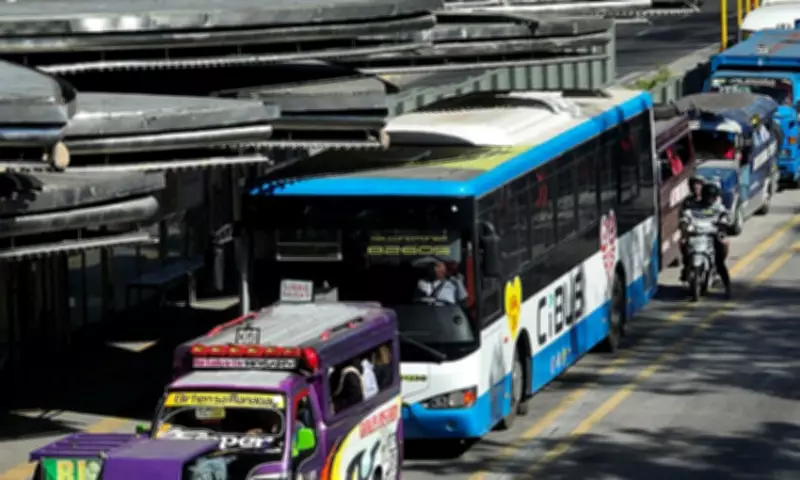
In a significant development for urban mobility, Cebu City has implemented a shared-lane arrangement for public utility vehicles along the Cebu Bus Rapid Transit (CBRT) routes, leading to notable improvements in traffic flow. This policy, which permits public utility jeepneys (PUJs) to utilize specific sections of the CBRT lanes, was captured in a photograph at the CBRT station near Cebu Normal University on Thursday morning, March 19, 2026, highlighting the ongoing changes in the city's transport infrastructure.
Initial Assessment Reveals Traffic Benefits
Based on an initial assessment by city officials, the decision to allow PUJs on certain CBRT lanes has resulted in smoother traffic conditions, particularly in the outer lanes. Mayor Nestor Archival emphasized that congestion has decreased, and vehicles are now moving more freely along major roads since the shared-lane policy was enforced. He observed that outer lanes, previously affected by frequent stops from PUVs, are experiencing more progressive traffic movement.
The current setup has minimized road obstructions caused by passenger pick-ups and drop-offs, as PUJs are now required to stop only at designated stations. This change has contributed to a more organized traffic flow and reduced instances of sudden halts in the middle of the road, according to the mayor's statements.

Challenges and Long-Term Goals
However, Mayor Archival acknowledged that this adjustment may inconvenience commuters who must walk to stations instead of boarding vehicles anywhere along the road. Despite this, he stressed the necessity of this change to instill discipline among both drivers and passengers. He noted that Cebu has long practiced a system where passengers can board and alight at any point, a habit that has significantly contributed to traffic congestion.
By enforcing designated stops, the city aims to develop discipline among drivers and commuters, which is expected to lead to more efficient road usage in the future. "This is something we need to understand. In Cebu, we are accustomed to stopping and boarding anywhere, and that is what creates traffic," the mayor explained, underscoring the cultural shift required for sustainable urban transport.
Transition Phase and Public Response
Mayor Archival clarified that the CBRT system is not yet fully operational as a complete bus rapid transit system and remains in a partial stage. He admitted receiving numerous public complaints regarding the changes but emphasized the need for adjustment during this transition period. Additionally, he announced that the Department of Transportation has expressed support for this approach, reinforcing the policy's alignment with broader transport initiatives.
This policy shift represents a critical step in Cebu City's efforts to modernize its public transport network and address chronic traffic issues, with ongoing evaluations to refine implementation and enhance commuter experience.