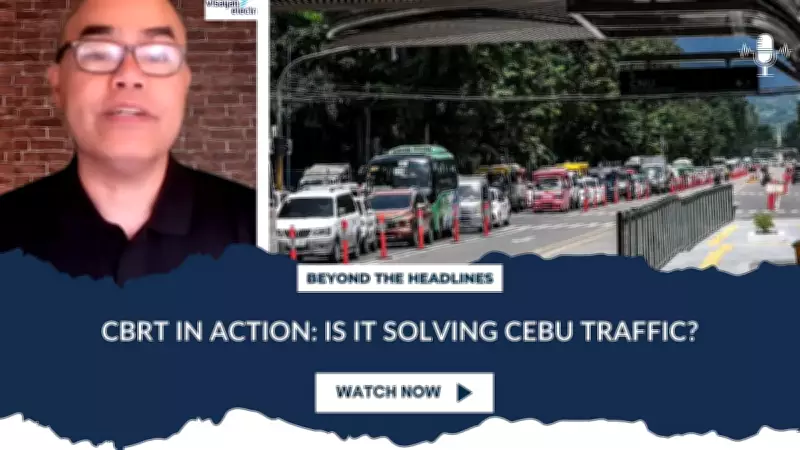
CBRT in Action: Is It Solving Cebu Traffic?
The Cebu Bus Rapid Transit (CBRT) system has been launched with high hopes of transforming the city's notorious traffic landscape. As one of the most ambitious public transportation projects in the Philippines, it promises dedicated bus lanes, modern stations, and efficient service to reduce travel times and ease congestion. However, the question remains: is it delivering on these promises?
Initial Implementation and Operational Details
The CBRT currently operates along key corridors in Cebu City, including routes from Bulacao to Talamban and from Cebu South Bus Terminal to IT Park. With dedicated lanes designed to bypass general traffic, the system aims to provide faster and more reliable commutes. Early reports indicate that buses are running at regular intervals, with plans to expand the fleet and routes in the coming months.
Infrastructure improvements, such as elevated stations and digital ticketing systems, have been implemented to enhance user experience. The project, funded by both local and national governments, represents a significant investment in urban mobility, targeting the daily struggles of thousands of commuters.

Public Response and Usage Statistics
Since its launch, public response has been mixed. Many commuters praise the reduced travel times on CBRT routes, noting that trips that once took over an hour now take significantly less. However, some users report issues with overcrowding during peak hours and occasional delays due to integration with existing traffic systems.
Usage statistics show a steady increase in ridership, with thousands of passengers utilizing the service daily. Surveys indicate that while satisfaction levels are generally positive, there is room for improvement in areas like frequency of buses and accessibility for disabled individuals.
Challenges and Criticisms
Despite its potential, the CBRT faces several challenges. Critics point out that the dedicated lanes sometimes conflict with other vehicles, leading to minor traffic disruptions. Additionally, the system's coverage is still limited, leaving many areas of Cebu City without direct access.
Environmental concerns have also been raised, though proponents argue that the CBRT reduces overall vehicle emissions by encouraging public transport use. Funding and maintenance issues pose ongoing risks, requiring continuous support to ensure long-term sustainability.
Comparative Analysis with Other Solutions
When compared to other traffic solutions, such as road widening or alternative transport modes, the CBRT offers a more sustainable approach. Experts suggest that its success depends on integration with other systems, like jeepneys and taxis, to create a cohesive network. Lessons from similar projects in cities like Metro Manila highlight the importance of adaptive planning and public engagement.
Future phases of the CBRT aim to address current limitations by expanding routes and improving technology. If implemented effectively, it could serve as a model for other Philippine cities grappling with traffic woes.
Conclusion: A Step Forward, But Not a Panacea
In conclusion, the CBRT is making strides in alleviating Cebu's traffic congestion, but it is not a complete solution. Its impact is evident in reduced travel times and increased public transport usage, yet challenges like coverage and integration persist. Continuous evaluation and adjustments will be key to maximizing its benefits for the city's growing population.
As Cebu continues to urbanize, the CBRT represents a critical component of a broader strategy to improve mobility and quality of life. Stakeholders must collaborate to refine the system, ensuring it meets the evolving needs of commuters and contributes to a more efficient urban environment.