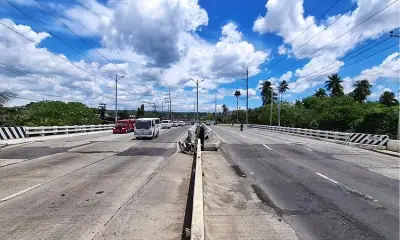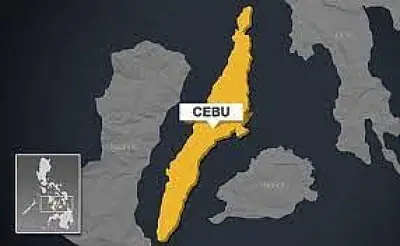
Cebu City has declared emergency measures for the critical Bacayan Bridge after engineers discovered significant structural damage during recent inspections. The city government has imposed a strict 6-ton weight limit and enhanced traffic controls, raising immediate concerns about the city's already fragile waste management and transportation systems.
Bridge Damage Details and Immediate Response
According to a technical report prepared by Engineer II Jonathan Tumulak Jr., inspection teams found chunks of concrete falling from the bridge's underside, small cracks on main support beams, and substantial debris accumulation around the pillars and supports. Although utility pipes attached to the bridge remain intact, the Department of Engineering and Public Works (DEPW) confirmed the damage requires urgent retrofitting and detailed structural investigation.
To prevent further deterioration, the city has implemented multiple protective measures including a strict 6-ton weight limit, a ban on tailgating and vehicle convoys, and regulated traffic volume to minimize stress on the compromised structure.

Impact on Waste Management System
The timing of these restrictions creates a critical challenge for Cebu City's waste management. Councilor Joel Garganera, in a privilege speech delivered on Tuesday, November 18, 2025, warned that the city faces a 'worsening solid waste crisis' exacerbated by recent typhoons and earthquake damage.
The Bacayan Bridge serves as a key route for garbage trucks transporting waste to the Binaliw landfill. With its capacity now limited following Typhoon Tino, the Cebu City Government has established alternative routes through Mandaue's mountain barangays and via the road connecting Barangay San Jose to Barangay Pulangbato.
Garganera emphasized the systemic nature of the problem, noting that Cebu City generates approximately 600 tons of waste daily without a functional long-term disposal solution. He cited the ongoing issues with the Inayawan landfill, which the Supreme Court ordered closed and rehabilitated in 2017, but remains unresolved due to land disputes and contractor conflicts.
Broader Infrastructure Challenges
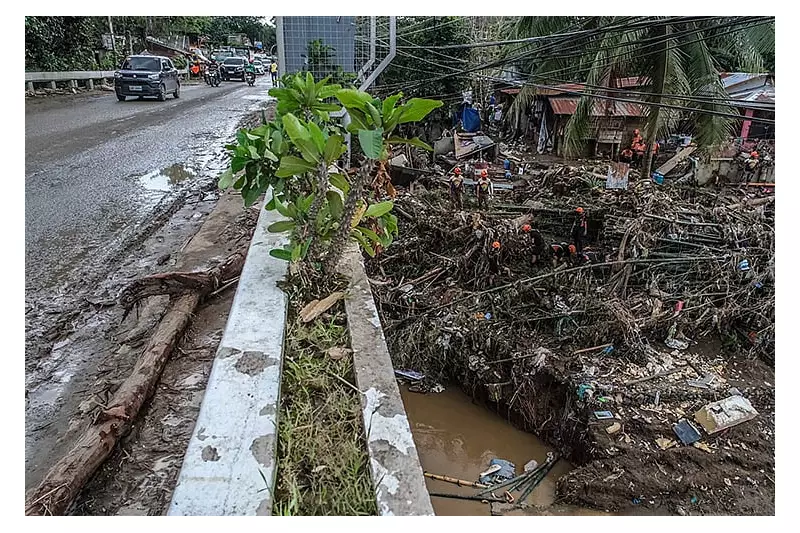
The bridge damage occurs alongside other significant transportation disruptions. Four major road sections in Cebu City remain impassable due to Typhoon Tino's impact: Buot Bridge, Cahumayan Drive, Tawon 1, and Mangabon. Clearing operations continue, but access to several mountain barangays remains limited, further complicating waste collection and disaster response efforts.
Councilor Garganera painted a dire picture of the environmental situation, stating 'Our rivers are filled with trash, our mountains are being stripped bare.' He warned that Cebu may soon reach a 'point of no return' without immediate implementation of long-term solutions.
The councilor reiterated his push for a waste-to-energy facility, noting that while former potential partner NewSky has withdrawn from providing land for the project, Cebu City must continue pursuing modern solutions guided by scientific studies and national agencies to address what he called a 'ticking time bomb' in the city's waste management system.