Transportation Secretary Giovanni Lopez has confirmed that the inaugural package of the Cebu Bus Rapid Transit (CBRT) project is on track to become operational by March 2026. This announcement was made during the Usapang Budget 2026 Forum on Friday, February 20, 2026, marking a significant milestone for the long-awaited public transportation initiative.
Project Details and Current Status
The Department of Transportation (DOTr) is currently finalizing the remaining components of Package 1, which will cover the route from the Cebu South Bus Terminal to Fuente Osmeña Circle. Once fully operational, this corridor is projected to serve an impressive 34,000 passengers daily, providing much-needed relief to Cebu's congested transportation network.
The CBRT project, which has received substantial backing from the World Bank, is now 97 percent complete. The remaining three percent primarily involves "punch listing" activities and documentation requirements associated with the foreign-assisted funding. Secretary Lopez emphasized that the agency will conduct comprehensive dry runs to identify and address potential operational issues before the system opens to the public.

Historical Context and Implementation Challenges
Lopez described the project as having undergone extensive preparation since its initial conceptualization in 2014, including numerous consultations and technical studies. He acknowledged that the primary challenge throughout this period has been implementation delays, which have accumulated over the years.
Adding urgency to the timeline is the fact that the World Bank loan supporting the project is scheduled to conclude in September 2026. This deadline has prompted the government to explore alternative financing and implementation strategies for the project's subsequent phases.
Exploring Public-Private Partnership Options
Given the accumulated delays and funding timeline constraints, Lopez revealed that the government is actively studying a public-private partnership (PPP) arrangement for the project's succeeding phases, particularly for operations and maintenance. He assured that any PPP component would undergo thorough market sounding and competitive bidding processes to ensure complete transparency.
"We have to explore alternative means," Lopez stated, explaining that private sector participation could help ensure timely completion without diverting government funds originally intended for essential social services.
Capitol Station Coordination
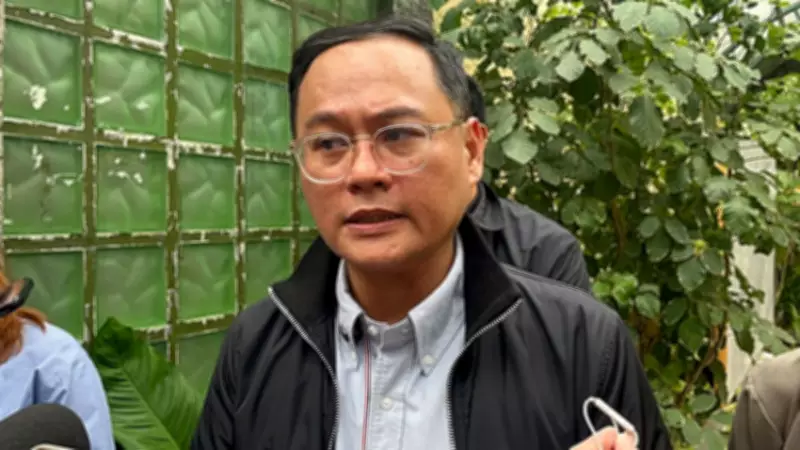
Regarding the proposed Capitol Station near the Cebu Provincial Capitol, Transportation Undersecretary for Road Transport and Infrastructure Steve Pastor provided clarification. He explained that coordination is ongoing with the National Historical Commission of the Philippines (NHCP) due to existing provincial resolutions that affect construction in the area.
Pastor emphasized that completion of the Capitol Station is not a prerequisite for the March 2026 operational target. Package 1 can function independently along its 16-kilometer corridor regardless of the station's status, ensuring the project's initial phase proceeds as planned.
Confidence in Operational Timeline
Despite the historical challenges, Lopez expressed strong confidence that the system will begin operations within the first quarter of 2026. He identified safety and service reliability as the department's key priorities during the final implementation phase and initial operational period.
The Cebu Bus Rapid Transit project represents a transformative investment in the region's transportation infrastructure, promising to significantly improve mobility for thousands of daily commuters while setting a precedent for future sustainable transportation initiatives in the Philippines.