Metro Cebu Expressway Rehabilitation Resumes After Years of Delays
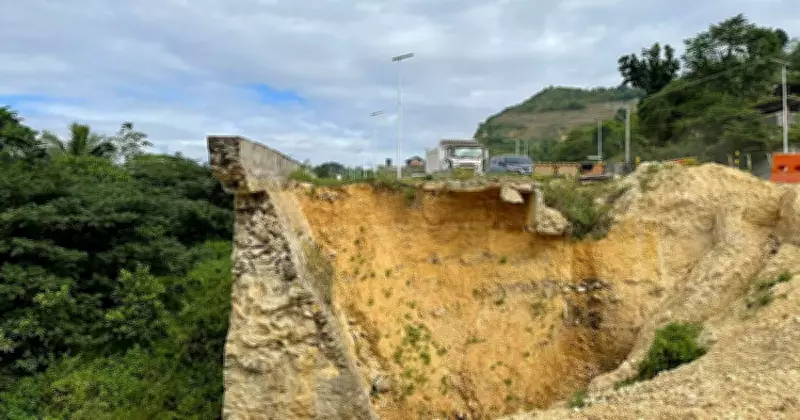
The long-stalled rehabilitation of Segment 3A of the Metro Cebu Expressway (MCE) is officially back on track, with the Department of Public Works and Highways (DPWH) announcing on Friday that it aims to complete the landslide-damaged section by July 2026. This critical link in the envisioned 74-kilometer north-south arterial road has resumed work following years of delays rooted in safety concerns, environmental issues, and permit disputes.
Key Project Updates and Timeline
The rehabilitation efforts are now ongoing in Naga City, with a target completion date set for approximately five months from now. The Environmental Management Bureau (EMB) has partially lifted the 2024 Cease and Desist Order (CDO), allowing construction to proceed under revised regulatory conditions. Segment 3A covers a 4.55-kilometer stretch of the total expressway, which is designed to alleviate chronic traffic congestion in Metro Cebu.
A Rocky History of Challenges
The road to completion has been anything but smooth, with Segment 3A facing a barrage of obstacles since its inception. In 2020, work was halted due to land acquisition and Right-of-Way (ROW) issues. A major landslide in Naga City in 2023 caused significant structural damage, further complicating the project. Construction was paused again in 2024 by provincial leadership over environmental and safety risks, and in 2025, high costs estimated at P96 billion led to a shift in project management.

"We are now initiating rehabilitation. It’s ongoing," said DPWH-7 Assistant Regional Director Nonato Paylado during the "Usapang Budget" forum on February 20, 2026.
Funding and Management Split
The future of the Metro Cebu Expressway is now a tale of two jurisdictions. While the DPWH handles the immediate rehabilitation of Segment 3A, the remainder of the project has been removed from the National Government’s flagship list. Governor Pamela Baricuatro has previously highlighted that the project's massive price tag is the biggest hurdle. The province is exploring Public-Private Partnership (PPP) schemes for the remaining segments, though Baricuatro has expressed reservations regarding the potential for toll fees that such a partnership would impose on motorists.
Future Outlook and Optimism
Despite a P400 million allocation for civil works in 2025, DPWH Undersecretary Ador Canlas noted that Right-of-Way acquisition remains a primary bottleneck, with much of the budget previously going unused. However, with DPWH Secretary Vince Dizon recently committing to fast-track the project, officials are optimistic that Segment 3A will finally provide the promised relief for Metro Cebu’s traffic woes. The resumption of work marks a significant step forward in addressing the infrastructure needs of the region.