Infrastructure Commission Launches Probe Into Cebu Flood Control Failures
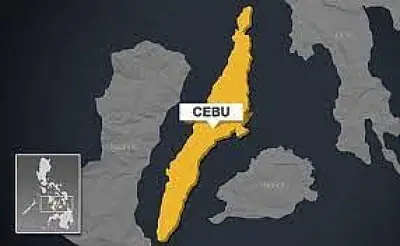
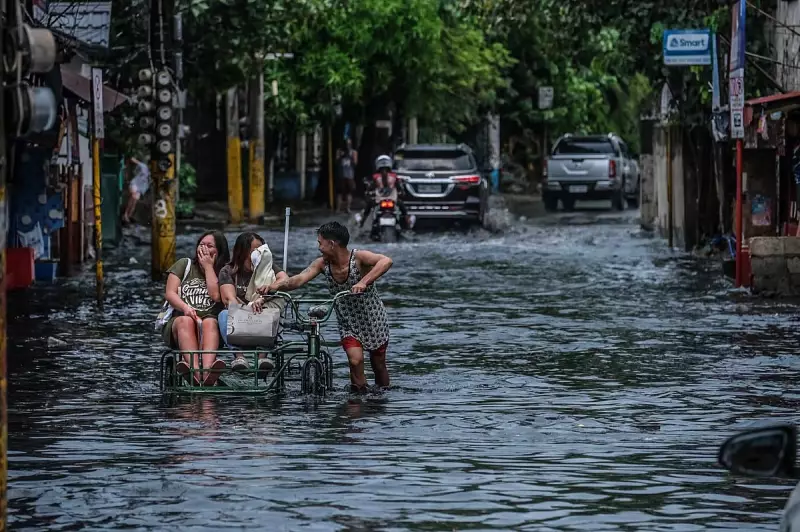
The Independent Commission on Infrastructure (ICI) has initiated a comprehensive investigation into flood control projects across Cebu province following the devastating impact of Typhoon Tino on November 4, 2025. The ongoing probe focuses on determining why these infrastructure projects failed to prevent widespread flooding that resulted in significant loss of life and property damage.
Inspection Teams Deployed to Critical Areas
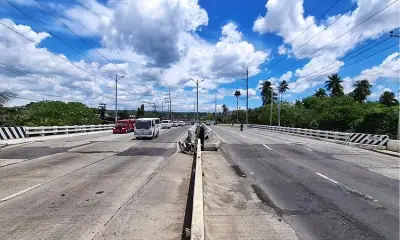
Leading the field inspection were ICI Special Adviser retired general Rodolfo Azurin Jr., Baguio City Mayor Benjamin Magalong, Department of Public Works and Highways (DPWH) Undersecretary Arthur Bisnar, and DPWH 7 Director Danilo Villa. The team began their assessment at the Butuanon River in Barangay Tabok, Mandaue City, before expanding their investigation to the municipalities of Liloan, Compostela, and Talisay City.
Azurin confirmed they brought a specialized team of engineers from Manila specifically tasked with examining projects that suffered excessive damage during the typhoon's onslaught. "We are gathering evidence for filing cases against all those responsible for this tragedy," Azurin told reporters on Sunday, November 16, 2025.

Urgent Repairs Needed Amidst Staggering Damage Statistics
The Provincial Disaster Risk Reduction and Management Office (PDRRMO) has reported catastrophic numbers: 17,066 homes completely destroyed throughout Cebu province, with an additional 93,036 partially damaged by the flooding. The human toll is equally devastating, with 108 confirmed fatalities and 44 individuals still missing as of November 15, 2025 data.
Azurin emphasized the critical need for immediate repairs to water channels, noting that unpredictable weather patterns could trigger further flooding at any time. "We cannot delay these repairs because they have already caused so many lives," he stated firmly.
Questions Raised About Compliance With Master Plan
The investigation has uncovered serious concerns about whether proper construction standards were followed in these flood control projects. Azurin questioned why the original mother plan developed as early as 2017 with input from the Japan International Cooperation Agency (JICA) was not implemented.
"They did not follow the mother plan from 2017 and instead focused only on revetment. Had they followed the comprehensive plan, we could have mitigated the water flow strength, prevented overflow, and avoided the massive loss of life and homes that were virtually washed out," Azurin explained.
Azurin also revealed that the projects carried insurance coverage under the contractors responsible for their construction. However, he clarified that where insurance is unavailable, the contractors themselves would bear the financial responsibility for repairs.
The investigation continues this week with engineers remaining in Cebu to examine additional flood control projects throughout the province. The ICI has committed to pursuing legal action against all parties found responsible for the infrastructure failures that exacerbated Typhoon Tino's impact.