Cebu's Flooding Nightmare Sparks Urgent Calls for Infrastructure Action
The devastating aftermath of typhoon Tino has reignited urgent calls for comprehensive flood control measures in Metro Cebu, with Vice Governor Glenn Anthony Soco demanding immediate legislative action to address what he calls "avoidable" destruction.
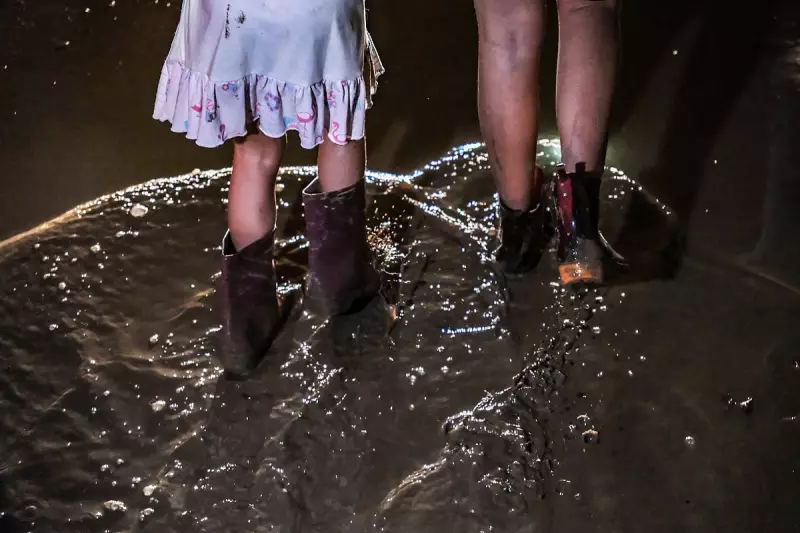
On Monday, November 10, 2025, Soco confronted the Provincial Board following last week's typhoon devastation that submerged homes and caused casualties across Mandaue City, Consolacion, Cordova, and Talisay City.
The Core Problem: Shelved Plans and Broken Promises
According to Soco, the recurring flooding exposes a fundamental failure in implementing crucial infrastructure plans. The Metro Cebu Flood and Drainage System Master Plan, originally prepared in 2013 by the Department of Public Works and Highways and the Japan International Cooperation Agency, was designed as a comprehensive, long-term solution.

The plan initially received significant funding - P700 million in 2018 and another P1.2 billion in 2019 - but then funding abruptly stopped. "After that, nothing. Funding stopped and the plan was shelved," Soco lamented during his address to the Provincial Board.
This interruption allowed random and uncoordinated projects to proceed, many inconsistent with the original master plan, effectively undermining the coordinated flood control strategy.
Two-Pronged Solution: Immediate Actions Proposed
Soco pressed for two concrete legislative actions:
First, the immediate implementation of the dormant Metro Cebu Flood and Drainage System Master Plan.
Second, crafting an ordinance requiring all developers in the province to install rainwater catchment facilities in their projects.
The vice governor called the persistent flooding "infuriating" and emphasized that temporary relief operations constitute mere reaction, not genuine public service.
Real Consequences for Cebuano Families
The consequences of planning failures extend far beyond inconvenience. Soco articulated the steep price paid by ordinary residents: "Each flood means lost income, damaged property and families forced to start over."
The repeated devastation means communities remain trapped in recovery cycles instead of progressing forward. Soco criticized the reliance on relief and calamity declarations, stating, "We've gotten so used to handing out relief goods and declaring a state of calamity calling it public service. That's not service — that's reaction."
Accountability and Forward Momentum
A critical component of Soco's resolution involves ensuring accountability for past failures. He emphasized the need to hold contractors and officials involved in substandard or anomalous flood control projects responsible.
"We can't keep rebuilding what was built wrong. We can't keep fixing symptoms while ignoring the cause," he stated firmly.
The spotlight now shifts to the Provincial Board and National Government agencies. Soco's proposals include furnishing his speech to the DPWH and the Office of the President to generate political pressure for full implementation.
While welcoming DPWH Secretary Vince Dizon's commitment to revisit and implement the master plan, Soco tempered optimism with realism: "That gives us hope — but hope alone won't solve anything."
The next critical steps include the Provincial Board's action on the proposed catchment ordinance and scheduled briefings where the DPWH and Department of Environment and Natural Resources will update the Board on the master plan's status and timeline.
The ultimate challenge remains translating political promises into sustainable measures that ensure Cebuanos receive what Soco described as "honest work, honest leadership and solutions that last beyond political terms."