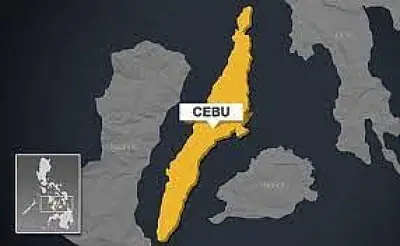
The recent catastrophic flooding that swept across Cebu has exposed more than just the region's vulnerability to extreme weather. It has raised a critical P149-million question about why long-established, expert-validated flood control plans were seemingly ignored by the very agencies tasked with protecting the public.
The Tragic Events Unfold
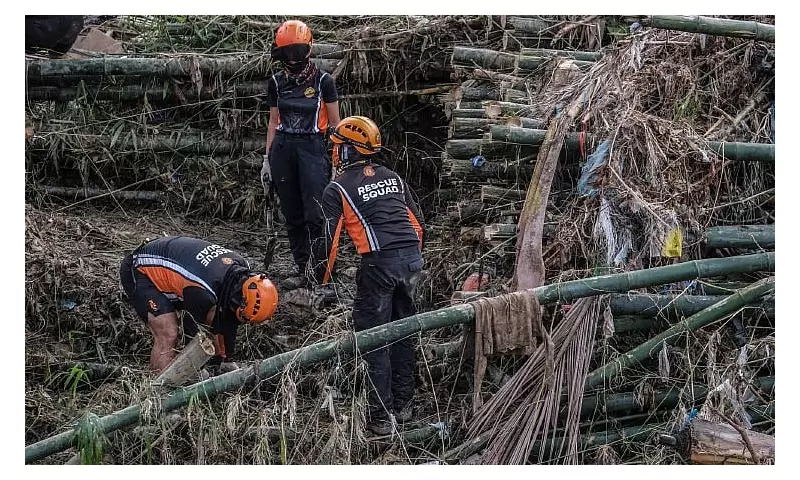
A series of torrential rains led to devastating flooding throughout Cebu, resulting in multiple resident deaths and widespread destruction of homes and property. The severity of the disaster prompted immediate action from government investigators.
On Sunday, November 16, 2025, Special Adviser and Investigator Rodolfo Azurin Jr. of the Independent Commission for Infrastructure conducted a thorough inspection of the affected areas. Azurin revealed that the disaster's impact may have been significantly worsened by contractors' failure to follow the government's official river basin master plan.

Systemic Failure in Flood Control
The tragedy in Cebu highlights a persistent national issue of project misalignment and accountability in Philippine public works. As a country regularly battered by typhoons and tropical storms, the Philippines depends on critical infrastructure projects to mitigate flood damage.
According to Azurin, the core problem lies in the glaring omission of a unified strategy. He specifically cited a river basin master plan prepared as early as 2017 with involvement from the Japan International Cooperation Agency. This comprehensive plan identified 18 river basins where coordinated interventions could have substantially reduced the water's force and prevented massive overflow.
The existence of this expert-validated "mother plan" while field projects show significant inconsistencies points to a systemic failure of execution that threatens public safety and erodes trust in governmental oversight.
Human and Financial Consequences
The stakes of this oversight are measured in both human lives and millions of pesos. Azurin emphasized the urgency of repairs, stating, "Hindi pwedeng hindi madaliin ang repair… dahil it already caused so many lives."
The financial implications are equally severe. Inconsistent designs and ignored plans mean taxpayer money is spent on ineffective or counterproductive projects. Many damaged structures are reportedly insured, but contractors may be forced to shoulder repair costs if damage is proven to stem from defective work rather than pure "act of nature."
Azurin specifically named a P149-million project in the Liloan–Compostela area, implemented by Alpha and Omega in joint venture with the Discaya group, as requiring immediate repair determination.
Accountability and Investigation
The investigation has placed immediate responsibility for the inconsistencies at the regional level. Azurin stated, "Merong mother plan pero hindi sinusunod sa baba… As far as dito is concerned, DPWH 7 is supposed to be responsible and accountable."
He also noted that local leaders should have been briefed on the master plan, suggesting that proper communication might have prevented the misalignment. The technical review has revealed that DPWH Undersecretary for Regional Operations in Luzon Arthur Bisnar also observed design inconsistencies despite the existence of the unified plan.
The ICI's team, including engineers from Manila, will remain in Cebu to assess project quality beyond design inconsistencies. This technical review will examine whether finished projects met required construction standards, including concrete strength and steel grade.
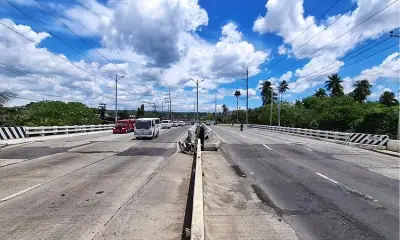
The probe is focusing on the 15 top contractors identified by the President, though all reported damaged sites will be reviewed. So far, the ICI has inspected eight specific project sites: two in Mandaue, one in Compostela, two in Liloan, two in Talisay, and one in Cebu City.
Moving Forward
The investigation continues with evidence gathering to build cases against those responsible for misaligned or substandard work. The immediate focus remains on ensuring contractors responsible for the damaged P149-million Liloan-Compostela project determine who will carry out necessary, rapid repairs.

The broader debate will likely revolve around oversight processes and how the DPWH will ensure that expert-validated master plans become non-negotiable mandates for all future flood control projects. This approach is crucial to preventing another catastrophe rooted in structural disregard for established safety protocols.
The ICI's goal extends beyond filing criminal cases to recovering losses, with Azurin seeking "support para magkalap pa po tayo ng mga ebidensya… at mabigyan natin ng hustisya ang lahat."