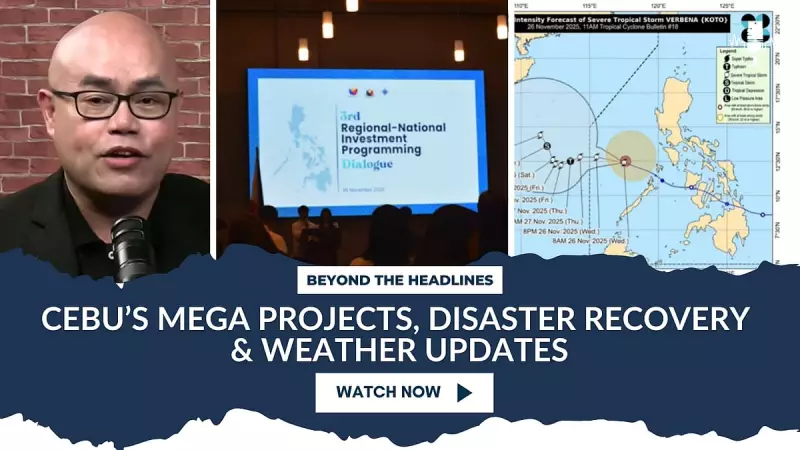
Cebu, one of the Philippines' most progressive provinces, is currently undergoing a transformative period with multiple mega infrastructure projects reshaping its landscape. These developments come as the region faces ongoing weather challenges that test both construction timelines and disaster preparedness measures.
Major Infrastructure Developments
The province is witnessing unprecedented growth in its infrastructure sector with several high-profile projects underway. The Cebu-Cordova Link Expressway (CCLEX) stands as a landmark achievement, connecting Cebu City with Cordova municipality and providing a vital alternative route to the existing bridges. This 8.9-kilometer cable-stayed bridge has significantly reduced travel time between these areas while boosting economic activity.
Meanwhile, the Mactan-Cebu International Airport expansion continues to enhance the province's connectivity with both domestic and international destinations. The modernized terminal facilities have increased passenger capacity while incorporating climate-resilient features designed to withstand extreme weather conditions common in the region.

Weather Challenges and Disaster Preparedness
Cebu's geographic location makes it vulnerable to various weather disturbances, including typhoons, monsoon rains, and occasional droughts. Recent weather patterns have prompted local government units to implement more robust disaster recovery protocols. The Provincial Disaster Risk Reduction and Management Office (PDRRMO) has been actively monitoring weather updates and coordinating with project managers to ensure construction sites follow safety standards during inclement weather.
Emergency response teams have conducted regular drills and established evacuation plans for workers at major project sites. These measures proved crucial during recent tropical depressions that brought heavy rainfall to the province, causing minor delays but no significant damage to the ongoing projects.
Balancing Progress and Environmental Considerations
As Cebu pushes forward with its development agenda, environmental advocates emphasize the importance of sustainable practices. The integrated bus rapid transit (BRT) system in Cebu City represents a step toward eco-friendly urban mobility, potentially reducing vehicle emissions and traffic congestion. However, concerns remain about the environmental impact of large-scale construction, particularly regarding drainage systems and flood management.
Local officials assure that environmental impact assessments guide all major projects, with particular attention to watershed protection and coastal management. The recent weather disturbances have highlighted the need for infrastructure that can withstand climate change effects while minimizing ecological disruption.
The convergence of mega projects and weather challenges presents both opportunities and tests for Cebu's development trajectory. As the province continues its growth momentum, the integration of disaster-resilient features in new infrastructure remains a priority for sustainable progress.