DPWH Resumes Metro Cebu Expressway Segment 3A Rehabilitation After Years of Delays
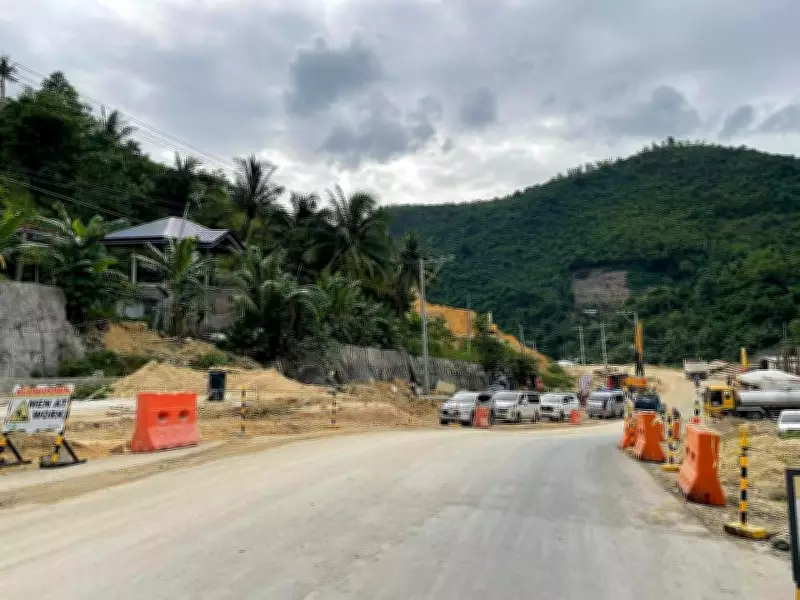
After several years of delays, the Department of Public Works and Highways (DPWH) has officially recommenced rehabilitation works on Segment 3A of the Metro Cebu Expressway (MCE). The agency is targeting completion of this critical infrastructure project by July 2026, marking a significant step forward in addressing long-standing transportation challenges in the region.
Environmental Restrictions Lifted, Construction Progresses
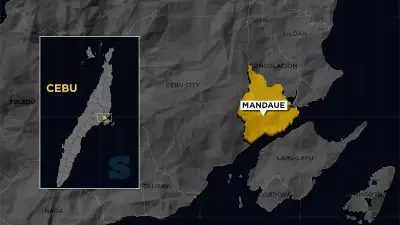
DPWH Central Visayas Assistant Regional Director Nonato Paylado disclosed on Friday, February 20, 2026, that repair efforts are now actively ongoing in Naga City. This area had previously suffered structural damage due to landslides and ground movement, which necessitated extensive rehabilitation. The segment had been under a cease and desist order (CDO) since 2024, but the Environmental Management Bureau (EMB) has since moved to lift these restrictions, enabling construction to proceed without further hindrance.
"We are now initiating rehabilitation. It's ongoing," stated Paylado during the "Usapang Budget" Forum held at the DepEd Ecotech Center in Sudlon, Lahug, Cebu City. He further emphasized that the agency aims to finalize this segment, including the repaired sections, within the next five months, underscoring a renewed commitment to timely project delivery.

Project History and Challenges
Originally launched in 2018, the Metro Cebu Expressway was designed to serve as a "north-south backbone" or primary roadway to alleviate traffic congestion between cities and municipalities in Metropolitan Cebu. However, the project has faced numerous obstacles over the years, including:
- Funding shortages that stalled progress
- Right-of-way (ROW) issues complicating land acquisition
- Insufficient Environmental Compliance Certificates (ECCs) delaying approvals
- Structural damage from unstable soil conditions
These persistent problems led to the project's temporary removal from the national government's list of flagship infrastructure initiatives, with initial plans to transfer it to the Provincial Government of Cebu. Ultimately, the project was reinstated under DPWH oversight, highlighting the complexities of large-scale public works in challenging environments.
Future Implications and Regional Impact
The resumption of rehabilitation on Segment 3A is expected to have far-reaching benefits for Cebu's transportation network. Once completed, the expressway will enhance connectivity, reduce travel times, and support economic growth by facilitating smoother movement of goods and people. This development comes as a relief to local communities and businesses that have long awaited improvements to the region's infrastructure.
As DPWH pushes forward with this five-month timeline, stakeholders will be closely monitoring progress to ensure that past issues do not reemerge. The successful completion of this segment could set a precedent for other delayed infrastructure projects across the Philippines, demonstrating the importance of persistent effort and adaptive management in public sector initiatives.